


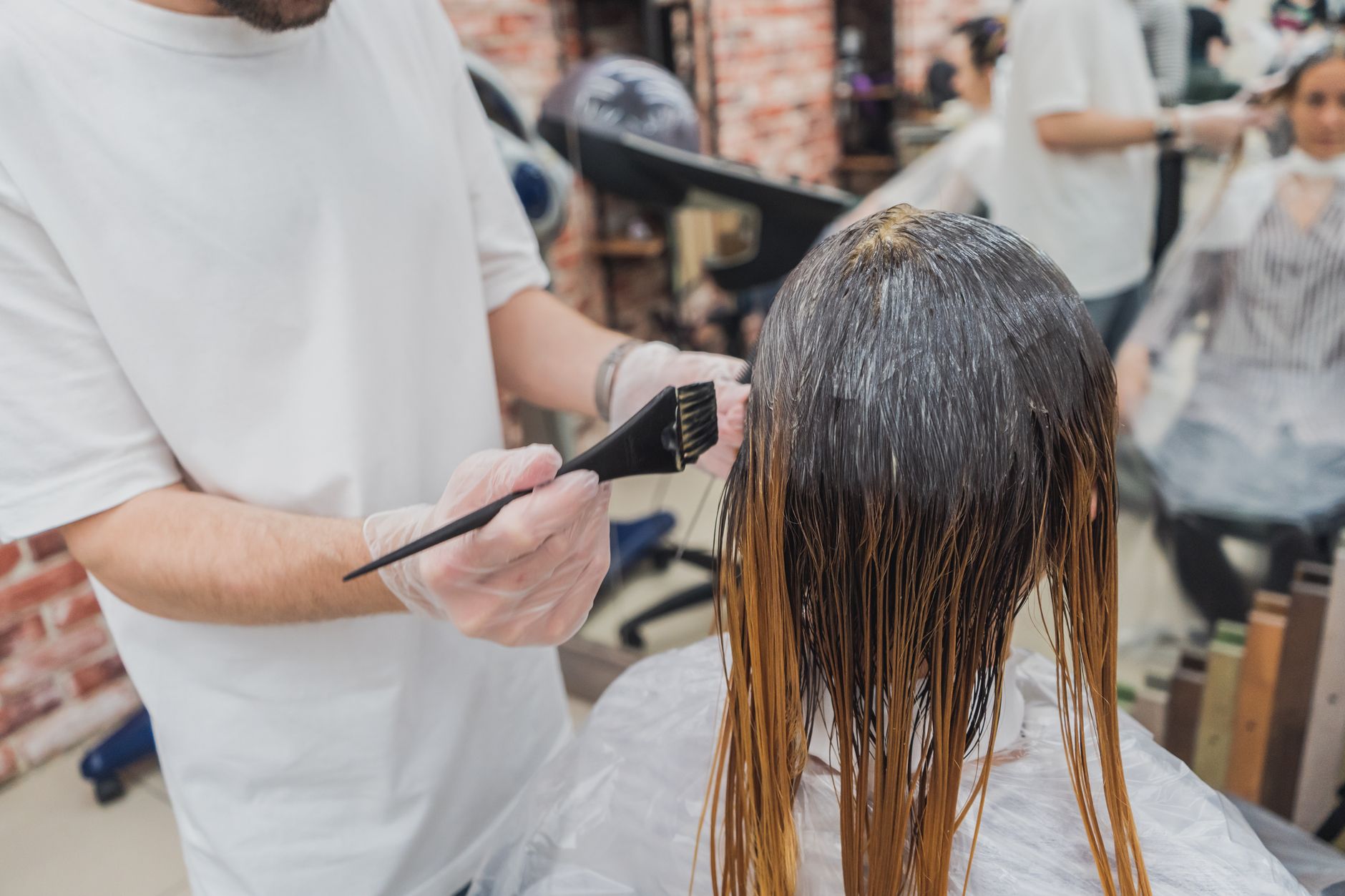
Frizzy hair is a common concern for people of all ages. Humidity, dryness, heat styling, and environmental damage can make hair difficult to manage, leaving it looking rough and unruly. Many people turn to salon treatments or chemical-based products for quick results, but these solutions may not always be suitable for long-term hair health.
A Chemical Free Hair Treatment For Frizzy Hair offers a gentler alternative that focuses on nourishing the hair naturally. Instead of relying on harsh ingredients, natural treatments use moisturizing oils, nutrient-rich ingredients, and healthy hair care practices to improve texture and reduce frizz over time.
The good news is that you do not always need expensive salon procedures to achieve smoother hair. With consistency and the right approach, natural treatments can help restore moisture, strengthen hair strands, and improve overall appearance.
In this guide, you'll learn what causes frizz, the benefits of chemical-free treatments, effective natural remedies, and practical tips for maintaining healthier and more manageable hair.
Understanding What Causes Frizzy Hair
Before choosing a treatment, it's important to understand why hair becomes frizzy in the first place.
Frizz occurs when the outer layer of the hair, known as the cuticle, becomes raised. When this happens, moisture from the air enters the hair shaft, causing strands to swell and appear rough or unmanageable.
One of the most common causes of frizz is dryness. Hair that lacks moisture often seeks hydration from the surrounding environment, especially in humid conditions. This can result in excessive puffiness and flyaways.
Frequent heat styling can also contribute to frizz. Hair dryers, curling irons, and straighteners may damage the protective outer layer of the hair, making it more vulnerable to moisture loss.
Chemical treatments such as bleaching, coloring, rebonding, and permanent straightening can weaken hair structure over time. While these treatments may initially create a smoother appearance, repeated exposure often leads to dryness and breakage.
Environmental factors, poor hair care habits, and even certain fabrics used in pillowcases can contribute to frizzy hair.
Understanding the root causes of frizz can help you choose natural solutions that target the problem effectively.
Benefits of Choosing Natural Hair Treatments
Many people are shifting toward natural hair care because it supports long-term hair health while reducing exposure to harsh ingredients.
One major benefit is reduced damage. Natural treatments typically rely on plant-based oils, fruits, herbs, and other nourishing ingredients that support the hair rather than stripping it of moisture.
Another advantage is improved hydration. Natural ingredients often contain vitamins, fatty acids, and antioxidants that help restore moisture and strengthen the hair cuticle.
Chemical-free solutions can also be gentler on the scalp. Some commercial hair products contain ingredients that may cause irritation, dryness, or sensitivity. Natural alternatives are often better tolerated by individuals with sensitive skin.
Cost savings are another benefit. Many effective treatments can be prepared at home using ingredients commonly found in the kitchen.
Most importantly, natural hair care promotes gradual improvement rather than temporary cosmetic results. With consistent use, healthier hair often becomes smoother, shinier, and easier to manage.
While results may take longer compared to chemical treatments, the long-term benefits can be well worth the patience.
Effective Natural Treatments for Frizzy Hair
Several natural ingredients have earned a strong reputation for helping reduce frizz and improve hair texture.
Coconut oil is one of the most popular options. It penetrates the hair shaft effectively and helps reduce protein loss, making hair softer and more manageable. Applying a small amount before washing or as an overnight treatment can provide deep hydration.
Argan oil is another excellent choice. Often referred to as "liquid gold," it contains vitamin E and essential fatty acids that help smooth the hair cuticle and add shine.
Aloe vera is widely used for its moisturizing properties. Fresh aloe vera gel can be applied directly to the hair to improve hydration and reduce dryness.
Avocado hair masks are rich in healthy fats and nutrients. When mashed and combined with natural oils, avocado can create a nourishing treatment that improves softness and elasticity.
Honey is a natural humectant, meaning it helps attract and retain moisture. Mixed with yogurt or coconut oil, honey can create an effective conditioning mask for dry and frizzy hair.
Banana hair masks are another popular remedy. Bananas contain vitamins and natural oils that help soften hair and improve manageability.
These natural ingredients can often provide noticeable improvements when used consistently as part of a regular hair care routine.
Daily Hair Care Habits That Help Control Frizz
Natural treatments work best when combined with healthy daily hair care habits.
One of the simplest ways to reduce frizz is to avoid overwashing your hair. Frequent shampooing can strip away natural oils, leaving hair dry and more prone to frizz. Many people find that washing two to three times per week works well.
Using a sulfate-free shampoo may also help preserve moisture and maintain a healthier hair balance.
After washing, avoid rubbing your hair aggressively with a towel. Instead, gently squeeze out excess water using a microfiber towel or soft cotton T-shirt.
Heat styling should be minimized whenever possible. If you need to use heat tools, applying a heat protectant can help reduce damage.
Sleeping on a silk or satin pillowcase can reduce friction, helping to prevent tangles, breakage, and frizz.
Regular trimming is also beneficial. Removing split ends can improve the overall appearance of the hair and prevent damage from spreading further up the hair shaft.
Small daily habits often make a significant difference in maintaining smooth and healthy hair.
Foods and Nutrients That Support Healthier Hair
Healthy hair starts from within. While external treatments can improve appearance, nutrition plays a major role in overall hair health.
Protein is essential because hair is primarily made of a protein called keratin. Including foods such as eggs, fish, chicken, beans, and lentils can support stronger hair growth.
Healthy fats are equally important. Foods like avocados, nuts, seeds, and olive oil provide nutrients that help maintain moisture and elasticity.
Vitamin E supports scalp health and may contribute to shinier hair. Almonds, sunflower seeds, and spinach are excellent sources.
Biotin, a B vitamin commonly associated with hair health, can be found in eggs, nuts, and whole grains.
Omega-3 fatty acids may also help improve hair texture and hydration. Fatty fish such as salmon and sardines are rich sources of these beneficial fats.
Staying hydrated is another often-overlooked factor. Drinking enough water throughout the day supports overall health, including the condition of your hair.
A balanced diet combined with proper hair care can contribute significantly to reducing frizz and improving hair quality.
Final Thought
Choosing a Chemical Free Hair Treatment For Frizzy Hair can be an effective and sustainable way to improve the health and appearance of your hair. Rather than relying on harsh chemicals that may provide temporary results, natural treatments focus on nourishing the hair from the inside and outside.
Ingredients such as coconut oil, argan oil, aloe vera, honey, and avocado can help restore moisture and improve manageability when used consistently. Combined with healthy hair care habits and proper nutrition, these treatments can support smoother, shinier, and stronger hair over time.
While natural solutions may require patience, they often promote long-term hair health without exposing your hair to unnecessary chemical stress. With consistency and the right routine, achieving healthier and less frizzy hair is entirely possible.
FAQs
What is the best chemical-free treatment for frizzy hair?
Natural oils such as coconut oil and argan oil are among the most popular treatments because they help moisturize hair and reduce frizz naturally.
Can aloe vera help reduce frizzy hair?
Yes. Aloe vera provides hydration and helps smooth the hair cuticle, making hair appear softer and more manageable.
How often should I use natural hair masks?
Most people benefit from using a natural hair mask once or twice per week, depending on their hair type and level of dryness.
Does coconut oil work for all hair types?
Coconut oil works well for many hair types, but individuals with very fine hair may prefer lighter oils such as argan oil to avoid heaviness.
Can diet affect hair frizz?
Yes. Poor nutrition can contribute to dryness and weaker hair. A balanced diet rich in protein, healthy fats, vitamins, and minerals supports healthier hair.
Are chemical-free treatments better than salon treatments?
Natural treatments can support long-term hair health, while salon treatments often provide faster cosmetic results. The best option depends on your goals and hair condition.
How long does it take to see results from natural hair treatments?
Results vary by individual, but many people notice improvements in softness and manageability within a few weeks of consistent use.
