


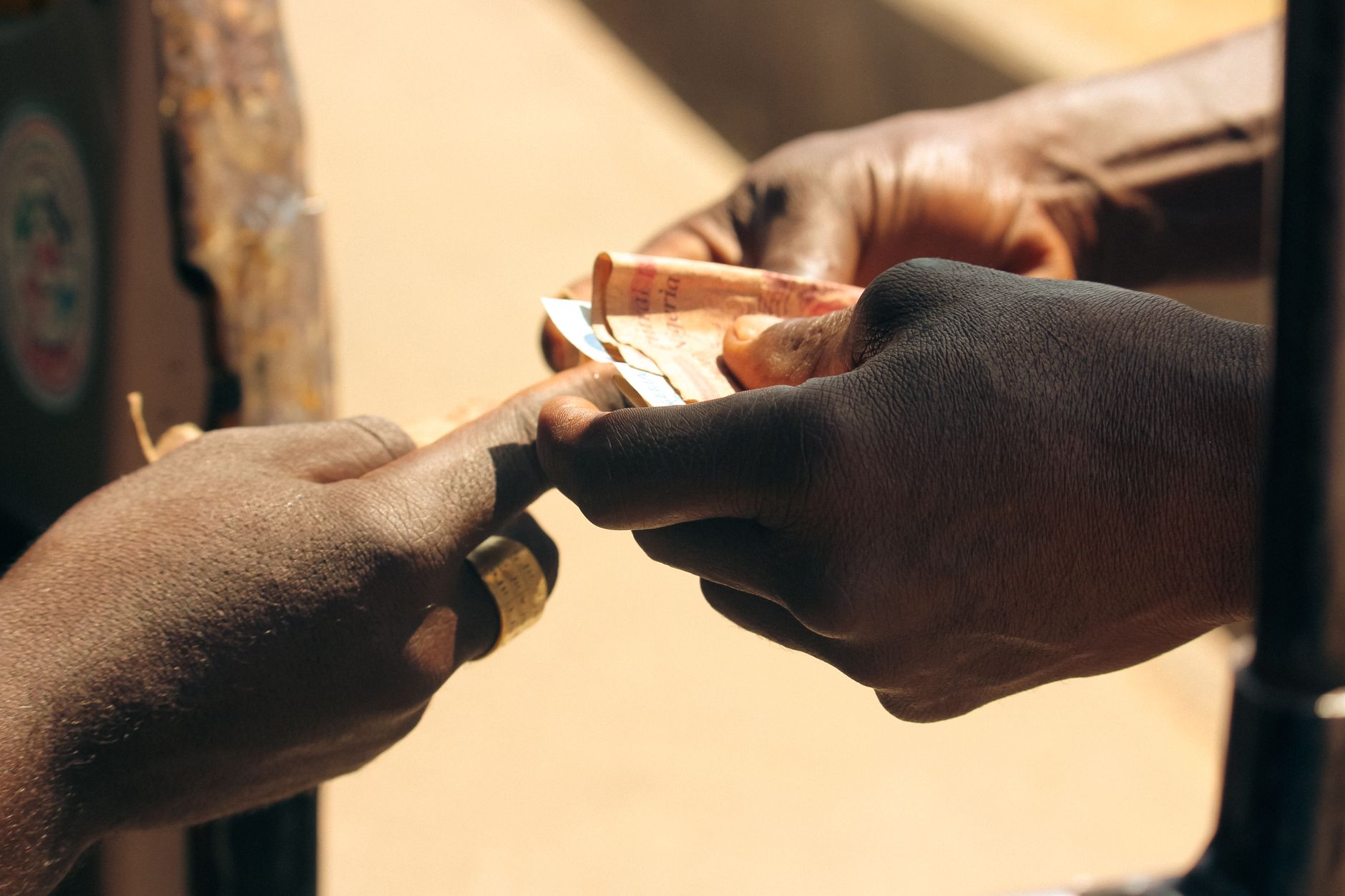
what is voluntary exchange in economics is a core idea that explains how people freely trade goods and services when both sides believe they benefit. At its simplest, what is voluntary exchange in economics describes a situation where no one is forced into a transaction and both buyer and seller agree because each expects to gain something valuable. In everyday life, what is voluntary exchange in economics happens constantly when you buy food, pay for services, or trade something you own for something you need. Understanding what is voluntary exchange in economics is essential because it forms the foundation of how modern markets operate and why trade exists in the first place.
Understanding the basic idea of voluntary exchange
To fully understand what is voluntary exchange in economics, it is important to start with the idea of choice. People make decisions based on their own preferences, needs, and available resources. In simple terms, what is voluntary exchange in economics happens when two parties willingly agree to trade because they both expect to improve their situation.
Another key aspect of what is voluntary exchange in economics is mutual benefit. If one side does not benefit, the exchange will not happen in a free market. This is why what is voluntary exchange in economics is closely linked to the idea of satisfaction or utility, where each person values what they receive more than what they give up.
A deeper look at what is voluntary exchange in economics also shows that it relies on trust and freedom. Individuals must have the freedom to accept or reject an offer. Without this freedom, what is voluntary exchange in economics cannot exist in its true form because coercion removes the element of choice.
Key principles behind voluntary exchange
One important principle in what is voluntary exchange in economics is opportunity cost. Every time a person makes a choice, they give up something else. This concept helps explain why what is voluntary exchange in economics occurs only when both parties believe they are getting a better deal than their next best alternative.
Another principle connected to what is voluntary exchange in economics is subjective value. Different people value goods and services differently, which makes trade possible. Because of this difference in perception, what is voluntary exchange in economics allows both sides to gain even if they value the same item differently.
Scarcity also plays a major role in what is voluntary exchange in economics. Since resources are limited, people must trade to get what they cannot produce on their own. This is why what is voluntary exchange in economics is a natural outcome in all societies, regardless of their level of development.
In addition, what is voluntary exchange in economics depends on market prices. Prices act as signals that help buyers and sellers decide whether an exchange is worth it. When conditions are right, what is voluntary exchange in economics ensures that resources move toward those who value them most.
Importance of voluntary exchange in daily life
In everyday life, what is voluntary exchange in economics can be seen in almost every transaction. When you buy groceries, pay for transportation, or purchase clothing, you are participating in what is voluntary exchange in economics because both you and the seller agree to the trade willingly.
One reason what is voluntary exchange in economics is important is that it promotes efficiency. Resources are allocated based on preference and demand rather than force or control. This means what is voluntary exchange in economics helps ensure that goods go to people who value them most.
Another reason what is voluntary exchange in economics matters is that it encourages cooperation between individuals. Even strangers can interact peacefully in a market because what is voluntary exchange in economics creates a system where everyone benefits from cooperation.
It also supports innovation and competition. Businesses improve their products to attract buyers, which strengthens what is voluntary exchange in economics by offering consumers better choices and value in the market.
Real-world examples and applications
A clear example of what is voluntary exchange in economics is the job market. When someone works for a salary, they voluntarily agree to exchange their time and skills for money. This is a direct application of what is voluntary exchange in economics because both employer and employee benefit from the agreement.
Another example of what is voluntary exchange in economics is online shopping. Customers choose products based on price and quality, while sellers compete to offer better deals. This interaction reflects what is voluntary exchange in economics in a modern digital environment.
International trade is also built on what is voluntary exchange in economics. Countries trade goods and services because they each have different strengths and resources. This global system works because what is voluntary exchange in economics allows nations to benefit from specialization.
Even informal exchanges, such as trading items with friends, are based on what is voluntary exchange in economics. Both sides agree to the trade because they value what they receive more than what they give up, reinforcing what is voluntary exchange in economics in everyday interactions.
Benefits and limitations of voluntary exchange
One of the main benefits of what is voluntary exchange in economics is increased efficiency. Markets naturally allocate resources where they are most valued, and what is voluntary exchange in economics ensures that both buyers and sellers gain from transactions.
Another benefit of what is voluntary exchange in economics is improved living standards. As individuals engage in trade, they gain access to a wider variety of goods and services, which strengthens what is voluntary exchange in economics as a driver of economic growth.
However, what is voluntary exchange in economics also has limitations. It assumes that both parties have equal access to information and bargaining power, which is not always true in real life. Even so, what is voluntary exchange in economics remains a useful model for understanding most market interactions.
Despite these limitations, what is voluntary exchange in economics continues to be a key principle in economic theory because it explains how decentralized decisions lead to organized market outcomes.
Final Thought
At its core, what is voluntary exchange in economics explains how people interact in markets through free and mutually beneficial decisions. By understanding what is voluntary exchange in economics, we see how trust, choice, and value shape everyday transactions and global trade systems. This concept remains central to economics because what is voluntary exchange in economics highlights how individuals, acting in their own interest, can still create efficient and cooperative outcomes for society as a whole.
FAQs
What is voluntary exchange in economics?
It is a situation where two parties willingly trade goods or services because both expect to benefit from the exchange.
Why is voluntary exchange important in economics?
It ensures that resources are allocated efficiently and that both buyers and sellers gain value from transactions.
What conditions are needed for voluntary exchange to happen?
Both parties must have freedom of choice, access to information, and believe the exchange is beneficial.
How does voluntary exchange improve markets?
It encourages competition, innovation, and efficient distribution of goods and services.
Is voluntary exchange always fair?
Not always, because differences in information or bargaining power can affect outcomes, even though both parties agree voluntarily.
Can voluntary exchange exist without money?
Yes, it can happen through barter systems where goods or services are directly exchanged.
