


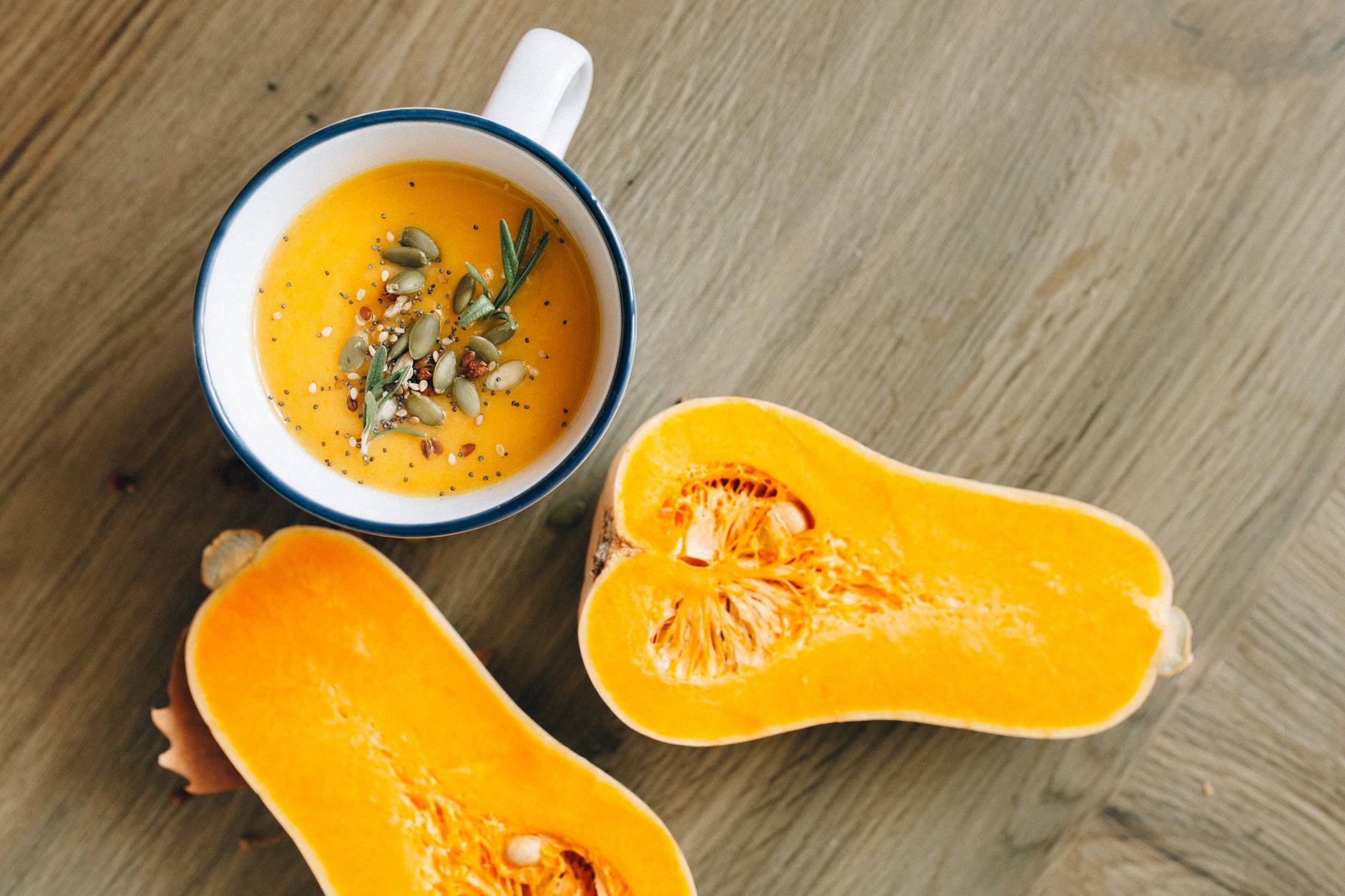
Healthy Fall Soups And Stews are one of the most comforting and nourishing ways to enjoy seasonal eating when the weather turns cooler. As autumn arrives, fresh produce like squash, carrots, pumpkins, and leafy greens become more abundant, making it the perfect time to create warm, hearty meals that are both satisfying and nutritious. These dishes are not only comforting but also an easy way to pack a variety of vitamins, minerals, and fiber into your daily diet.
Soups and stews have long been a staple in many cultures because they are simple to prepare, budget-friendly, and incredibly versatile. Whether you prefer light vegetable soups or rich, protein-packed stews, there are endless ways to combine ingredients to suit your taste and dietary needs. The beauty of fall soups lies in their ability to warm the body while supporting overall health.
Why Fall Is the Perfect Season for Soups and Stews
Autumn naturally brings a shift in both temperature and food availability, making it an ideal time for warm, hearty meals. Seasonal vegetables harvested during this time are rich in flavor and nutrients, which makes them perfect for soups and stews.
Ingredients like butternut squash, sweet potatoes, pumpkins, and root vegetables are widely available in the fall. These foods are naturally sweet, dense, and packed with vitamins such as vitamin A and vitamin C, which support immunity during colder months.
Another reason fall is ideal for soups is the comfort factor. Warm meals provide a sense of coziness and relaxation, especially as days become shorter and temperatures drop. Eating soups and stews can feel grounding and satisfying after a long day.
Additionally, soups are easy to prepare in large batches. This makes them perfect for meal prep, allowing you to cook once and enjoy multiple servings throughout the week. This convenience is especially helpful during busy autumn schedules.
Key Ingredients for Nutritious Fall Soups
The foundation of Healthy Fall Soups And Stews lies in choosing wholesome, nutrient-dense ingredients. Seasonal vegetables are the star of most recipes because they provide both flavor and nutrition.
Root vegetables such as carrots, potatoes, parsnips, and turnips add natural sweetness and heartiness. They also provide fiber, which supports digestion and helps keep you full for longer periods.
Leafy greens like spinach, kale, and Swiss chard are excellent additions to soups and stews. They are rich in antioxidants, iron, and vitamins that support overall wellness.
Protein is another essential component. Lean meats like chicken or turkey, as well as plant-based options like beans, lentils, and chickpeas, help make soups more filling and balanced.
Herbs and spices also play an important role. Ingredients like garlic, thyme, rosemary, turmeric, and black pepper not only enhance flavor but also offer anti-inflammatory and immune-boosting properties.
A good broth base, whether vegetable, chicken, or bone broth, ties everything together and creates depth in flavor while adding additional nutrients.
Easy Healthy Soup Recipes for Fall
One of the best things about fall soups is how simple they are to make. A basic vegetable soup can be created by combining chopped seasonal vegetables with broth and herbs, then simmering until tender. This simple approach results in a light yet flavorful dish that highlights natural ingredients.
Butternut squash soup is a fall favorite because of its creamy texture and naturally sweet flavor. Blending roasted squash with vegetable broth and a touch of spice creates a smooth and comforting meal without the need for heavy cream.
Lentil soup is another nutritious option. Lentils cook quickly and provide a rich source of plant-based protein and fiber. When combined with carrots, onions, and spices, they create a hearty and satisfying dish.
Chicken and vegetable soup is a classic comfort food that is both nourishing and easy to prepare. It combines lean protein with a variety of vegetables, making it a balanced meal in one bowl.
These recipes show how simple ingredients can be transformed into warm, delicious meals that are perfect for fall.
Hearty Stew Ideas for Colder Days
Stews are thicker and more filling than soups, making them ideal for colder autumn days. They are often cooked slowly, allowing flavors to develop deeply and ingredients to become tender and rich.
Beef stew is a traditional favorite that combines chunks of beef with potatoes, carrots, and onions in a savory broth. Slow cooking allows the meat to become tender while the vegetables absorb rich flavors.
Vegetarian stews are equally satisfying. A chickpea and vegetable stew, for example, combines plant-based protein with seasonal vegetables and warming spices for a filling and nutritious meal.
Chicken stew is another great option that is lighter than beef but still hearty enough for cooler weather. It often includes herbs and root vegetables for added depth of flavor.
Stews are especially convenient because they can be made in large quantities and stored for several days. The flavors often improve over time, making leftovers even more enjoyable.
Health Benefits of Eating Soups and Stews
One of the biggest advantages of Healthy Fall Soups And Stews is their nutritional value. Because they are packed with vegetables, proteins, and broth, they offer a wide range of essential nutrients in one meal.
Soups and stews are also hydrating. The liquid base helps maintain hydration levels, which is especially important during colder months when people may not feel as thirsty.
These meals are often lower in calories but high in satiety. The combination of fiber, protein, and water helps you feel full without overeating, which can support healthy weight management.
Digestibility is another benefit. Cooked vegetables and soft textures make soups easier to digest compared to raw foods, which can be helpful for people with sensitive stomachs.
Additionally, the warming nature of soups can provide comfort and relaxation, which may contribute to reduced stress levels and improved mood during the fall season.
Tips for Making the Best Fall Soups and Stews
Creating delicious soups and stews at home is easy when you follow a few simple tips. Using fresh, seasonal ingredients ensures the best flavor and nutritional value.
Sautéing onions, garlic, and spices before adding liquids helps build a stronger flavor base. This small step can significantly enhance the overall taste of your dish.
Allowing enough cooking time is also important, especially for stews. Slow simmering helps ingredients blend together and develop richer flavors.
Balancing textures makes soups more enjoyable. Combining soft vegetables with slightly firm ingredients adds variety to each bite.
Finally, seasoning gradually throughout the cooking process helps achieve a well-balanced flavor without overpowering the dish.
Final Thought
Healthy Fall Soups And Stews are a wonderful way to embrace seasonal eating while enjoying comforting, nourishing meals. They bring together fresh autumn ingredients, rich flavors, and simple cooking methods that make healthy eating both easy and enjoyable.
These dishes are not only satisfying but also highly adaptable, allowing you to create endless variations based on your preferences and dietary needs. Whether you choose a light vegetable soup or a hearty stew, each bowl offers warmth, nutrition, and comfort during the fall season.
By incorporating these meals into your routine, you can enjoy the best of autumn while supporting your overall health and well-being.
FAQs
What are Healthy Fall Soups And Stews?
They are nutritious warm meals made with seasonal vegetables, proteins, and broth that are perfect for autumn eating.
What vegetables are best for fall soups?
Pumpkin, squash, carrots, potatoes, and leafy greens are some of the best seasonal vegetables for soups.
Are soups and stews healthy for weight loss?
Yes, they are often low in calories but high in fiber and protein, which helps with fullness and portion control.
Can I freeze fall soups and stews?
Yes, most soups and stews freeze well and can be stored for later use without losing flavor.
What is the difference between soup and stew?
Soups are usually lighter and more liquid-based, while stews are thicker and contain larger chunks of ingredients.
How can I make soups more flavorful?
Using fresh herbs, spices, and sautéing ingredients before simmering helps enhance flavor.
Are vegetarian soups healthy?
Yes, vegetarian soups can be very healthy when made with a variety of vegetables, legumes, and whole ingredients.
