


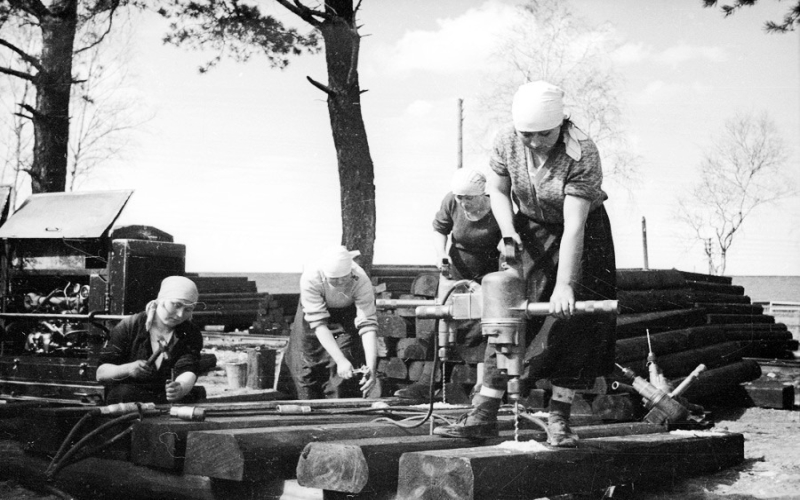
The Soviet Union of the 1930s marked a remarkable turning point in labor dynamics, particularly with the increasing integration of women into the workforce. By 1935, the proportion of women workers in the USSR’s workforce was one in every five, reflecting a significant shift in societal norms and economic strategies. This article explores the key factors behind this transformation, its implications for Soviet society, and the enduring legacy of women’s labor in this era.
Introduction to the Soviet Workforce of the 1930s
The Soviet Union’s industrialization drive during the first and second Five-Year Plans was nothing short of revolutionary. To achieve its ambitious economic goals, the state tapped into previously underutilized human resources, particularly women. By 1935, the proportion of women workers in the USSR’s workforce was one in every five, a statistic that underscores the critical role women played in shaping the Soviet economy.
Economic Necessities Fueling the Inclusion of Women
The rapid industrialization policies of the USSR necessitated an expanded workforce. Factories, mines, and other sectors experienced a surge in labor demand, which the traditional male-dominated workforce could not fully meet. As a result, the government launched campaigns to recruit women into various industries. By 1935, the proportion of women workers in the USSR’s workforce was one in every five, a clear indicator of this strategic pivot.
State propaganda emphasized the importance of women contributing to the socialist cause, framing their participation as both a duty and an honor. The government also implemented policies such as free childcare and maternity leave to facilitate the transition of women from domestic roles to industrial and professional settings.
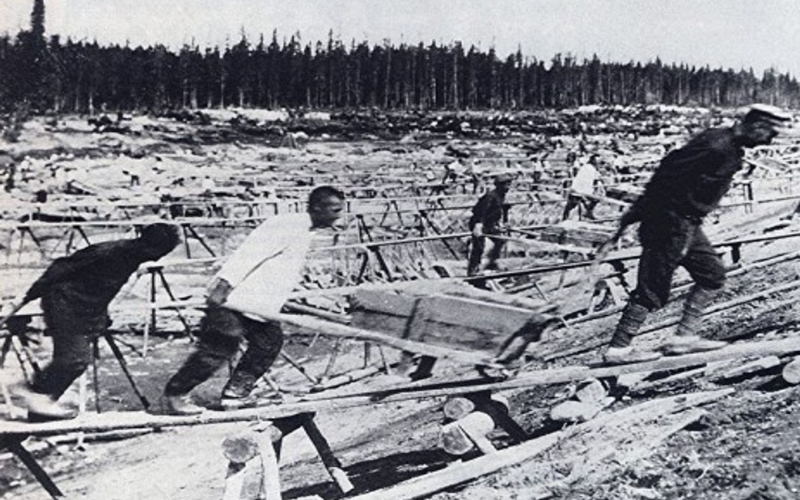
Sectors Dominated by Women Workers
Women’s roles in the Soviet workforce extended across various sectors:
Textile and Manufacturing Industries
The textile industry was one of the largest employers of women. Known for requiring meticulous attention to detail, textile production became a stronghold for female labor. By 1935, the proportion of women workers in the USSR’s workforce was one in every five, and many of these women worked in textile factories, contributing significantly to the production of goods for both domestic consumption and export.
Agriculture
The collectivization policies of the 1930s brought sweeping changes to rural life. Women formed a substantial portion of the agricultural labor force, working tirelessly on collective farms to meet state quotas. They played a critical role in increasing agricultural output despite the challenges posed by collectivization.
Healthcare and Education
Women also entered the professions of healthcare and education in large numbers. They became doctors, nurses, and teachers, supporting the Soviet Union’s broader social and cultural goals. These roles not only elevated women’s social status but also contributed to the nation’s overall development.
Challenges Faced by Women in the Workforce
While the inclusion of women in the workforce was a significant achievement, it came with its own set of challenges. Women were often paid less than their male counterparts and were expected to balance professional responsibilities with domestic duties. Despite these hurdles, by 1935, the proportion of women workers in the USSR’s workforce was one in every five, reflecting their resilience and determination to overcome societal barriers.
The Impact of Women Workers on Soviet Society
The increasing participation of women in the workforce brought profound societal changes:
Redefinition of Gender Roles
Traditional gender roles underwent a radical transformation as women proved their capabilities in roles previously reserved for men. This shift challenged long-standing stereotypes and laid the groundwork for greater gender equality in the Soviet Union.
Economic Growth
Women’s contributions to industries and agriculture directly fueled the economic growth of the USSR. Their labor supported the ambitious targets set by the Five-Year Plans and helped establish the Soviet Union as an industrial power.
Cultural Shifts
The integration of women into the workforce also led to changes in Soviet culture. Female workers became symbols of the socialist ideal, celebrated in art, literature, and propaganda as exemplars of dedication and hard work.
Government Policies Supporting Women Workers
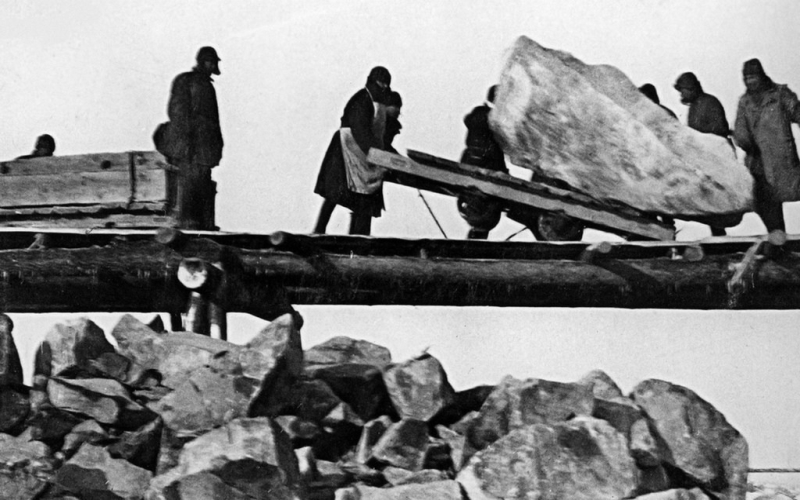
To ensure the successful integration of women into the workforce, the Soviet government implemented various supportive measures:
- Childcare Facilities: The state established nurseries and kindergartens to relieve working mothers of childcare responsibilities.
- Maternity Benefits: Paid maternity leave and healthcare services were introduced to protect the well-being of working women.
- Education and Training: Women were provided with technical education and vocational training to prepare them for industrial roles.
These policies not only facilitated women’s entry into the workforce but also reinforced the state’s commitment to gender equality in line with socialist principles.
Legacy of Women’s Labor in the USSR
The legacy of women workers in the 1930s continues to resonate in modern discussions about gender equality and labor rights. By 1935, the proportion of women workers in the USSR’s workforce was one in every five, a testament to the pivotal role they played in shaping the Soviet economy and society. Their contributions laid the foundation for future generations of women to pursue careers and break free from traditional constraints.
Conclusion
The inclusion of women in the Soviet workforce during the 1930s was a transformative period that redefined gender roles and fueled the nation’s economic ambitions. By 1935, the proportion of women workers in the USSR’s workforce was one in every five, highlighting their indispensable role in building the Soviet state. Through their resilience and determination, these women not only contributed to the success of the Five-Year Plans but also challenged societal norms, leaving an indelible mark on history.
