
Ancient Civilization and History
Ethiopia is often referred to as the “cradle of humanity” due to the discovery of some of the oldest human remains, including “Lucy,” a 3.2 million-year-old hominid skeleton found in the Afar region. This discovery underscored Ethiopia’s importance in understanding human evolution. The country’s ancient history is also marked by the Kingdom of Aksum, one of the great civilizations of the ancient world, which thrived from approximately the 1st to the 7th centuries AD. Aksum was a major trading empire and was among the first states to adopt Christianity in the 4th century, with King Ezana converting to the faith.
The story of the Queen of Sheba, who is said to have visited King Solomon in Jerusalem and given birth to a son who founded the Solomonic dynasty, is an essential part of Ethiopian lore. This dynasty ruled Ethiopia until 1974, with Emperor Haile Selassie as the last monarch, contributing to Ethiopia’s deeply rooted cultural and religious heritage.
Geography and Climate
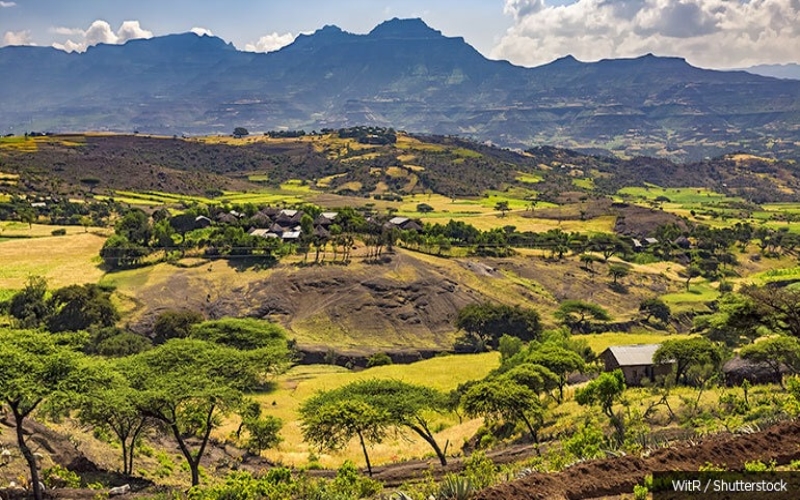
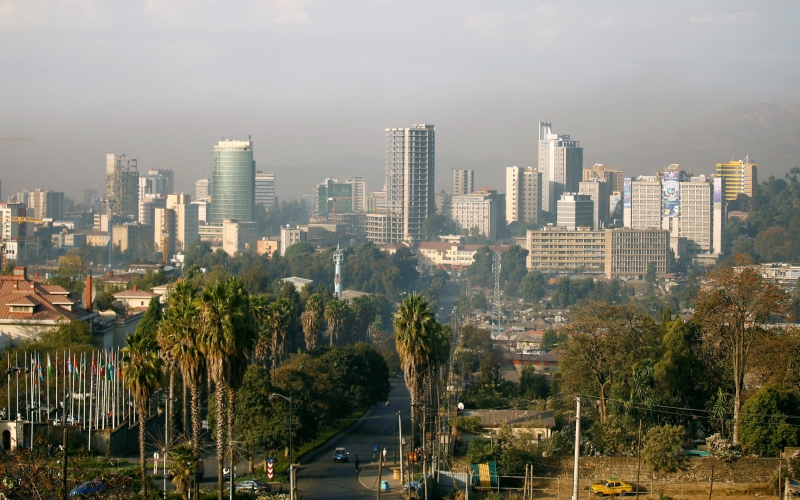
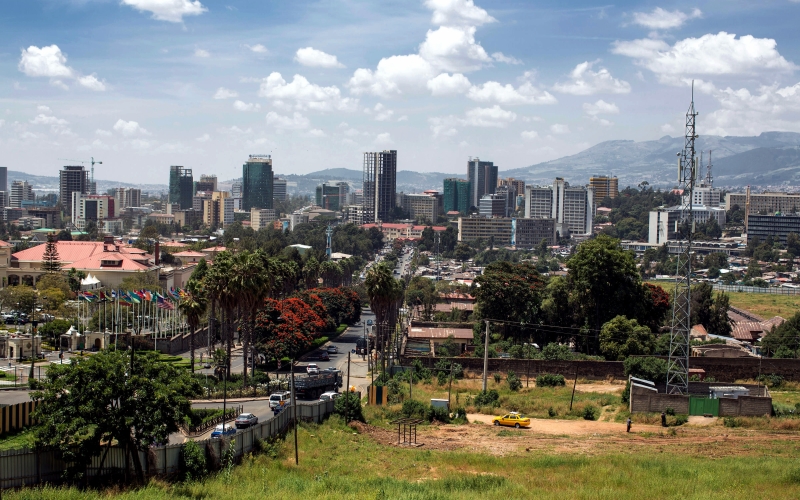
Ethiopia’s landscape is as diverse as its culture. The country has highland plateaus, mountains, and deep valleys, including the Great Rift Valley, which runs through the nation from northeast to southwest. The Simien Mountains in the north include Ras Dashen, the highest peak in Ethiopia, reaching 4,550 meters (14,928 feet). Ethiopia also features lush green forests, arid deserts, and fertile plains.
The country’s climate varies significantly by region, with the highlands experiencing a temperate climate, while the lowlands are generally hotter and drier. Ethiopia’s diverse geography also gives rise to unique flora and fauna, including the Gelada baboon, the Ethiopian wolf, and numerous bird species found only in the region.
Culture and Language
Ethiopia is home to over 80 ethnic groups, each with its own language, traditions, and customs. The largest ethnic groups include the Oromo, Amhara, Somali, and Tigrayans, but the country’s diversity is much broader. The official language of Ethiopia is Amharic, though Oromo, Tigrinya, Somali, and several other languages are widely spoken across various regions. This linguistic diversity is celebrated through festivals, music, and traditional practices, making Ethiopia a cultural mosaic.
Ethiopian Orthodox Christianity is the predominant religion, with deep historical roots in the country dating back to the 4th century. There is also a significant Muslim population, particularly in the eastern regions, as well as various indigenous belief systems practiced in smaller communities.
Ethiopian Cuisine
Ethiopian cuisine is distinctive and often features spicy stews known as wots, served on top of injera, a sour, spongy flatbread made from teff, a grain native to Ethiopia. Dishes are usually vegetarian, but meat dishes are also popular, especially during special occasions. Meals are commonly eaten communally, with everyone sharing from a large serving platter, a practice that reflects the country’s focus on community and family bonds.
Some popular Ethiopian dishes include doro wot (spicy chicken stew), kitfo (raw or lightly cooked minced meat), and tibs (sautéed meat). The country is also known for its coffee, which is said to have originated in Ethiopia. Coffee ceremonies are an integral part of Ethiopian culture, symbolizing hospitality and respect for guests.
Economy and Development
Ethiopia has one of Africa’s fastest-growing economies, driven largely by agriculture, manufacturing, and, more recently, services. The country is a leading producer of coffee, which is a significant export commodity, alongside other products like khat, oilseeds, and pulses. Agriculture remains the backbone of Ethiopia’s economy, employing about 70% of the population.
In recent years, the Ethiopian government has made efforts to diversify the economy, focusing on industrialization and infrastructure development. The construction of the Grand Ethiopian Renaissance Dam (GERD) on the Blue Nile is an ambitious project aimed at boosting the country’s energy supply and economic growth. However, this project has led to diplomatic tensions with downstream countries, particularly Egypt and Sudan, due to concerns over water resources.
Despite significant economic growth, Ethiopia faces challenges such as poverty, food insecurity, and political instability in certain regions. The government has launched various programs to address these issues, but they remain complex problems requiring sustained efforts and support.
Political Landscape
Ethiopia is a federal parliamentary republic, with the Prime Minister serving as the head of government and the President as the head of state. The country has undergone significant political changes, especially in the past few decades. Ethiopia was ruled by Emperor Haile Selassie until 1974, when a military junta, the Derg, took over and established a Marxist-Leninist government. The Derg’s rule was marked by human rights abuses, economic hardship, and internal conflict, leading to its eventual downfall in 1991.
In 1991, the Ethiopian People’s Revolutionary Democratic Front (EPRDF) came to power, transitioning Ethiopia to a federal system with ethnically based regional states. The EPRDF maintained a tight grip on power until 2018, when Prime Minister Abiy Ahmed assumed office. Abiy introduced significant political and economic reforms, including peace efforts with neighboring Eritrea, which earned him the Nobel Peace Prize in 2019. However, Ethiopia has faced challenges related to ethnic conflicts and instability, particularly in the Tigray region, which has led to humanitarian concerns and international scrutiny.
Tourism in Ethiopia
Ethiopia’s rich history, diverse landscapes, and cultural heritage make it a unique destination for tourists. The country is home to nine UNESCO World Heritage Sites, including the rock-hewn churches of Lalibela, the ancient city of Aksum, and the Simien Mountains National Park. The Lalibela churches are particularly famous, as they were carved directly from rock and are a testament to the architectural ingenuity of Ethiopia’s early Christian civilization.
Other attractions include the Danakil Depression, one of the hottest and lowest places on earth, known for its sulfur springs, colorful mineral deposits, and active volcanoes. The Omo Valley, with its diverse indigenous tribes, offers a fascinating glimpse into Ethiopia’s cultural diversity. Lake Tana, the source of the Blue Nile, is another popular destination, dotted with ancient monasteries and offering beautiful natural scenery.
Ethiopia’s tourism industry has seen growth in recent years, supported by improved infrastructure and a growing interest in the country’s heritage. However, political challenges and periodic conflicts in some regions have impacted the sector’s development, underscoring the need for stability to fully capitalize on Ethiopia’s tourism potential.
Ethiopian Contribution to Arts and Music
Ethiopian music is a vibrant mix of traditional and contemporary styles, with each ethnic group bringing its own unique influences. The Amharic, Oromo, and Tigrigna music styles are among the most popular, while Ethio-jazz, a fusion of traditional Ethiopian music and jazz, gained international acclaim through musicians like Mulatu Astatke. Modern Ethiopian artists continue to draw on these rich traditions, blending them with contemporary sounds to create unique music that resonates both locally and globally.
In literature, Ethiopia has a strong tradition of oral storytelling, and its written language, Ge’ez, has been used for religious texts for centuries. Ethiopian poets and authors are increasingly gaining recognition for their work, often exploring themes of identity, history, and social change.
Conclusion
Ethiopia is a country of profound historical, cultural, and natural richness. Its ancient heritage, diverse ethnic groups, and remarkable landscapes make it a unique nation with a proud legacy. Although Ethiopia faces challenges, particularly in terms of political stability and economic development, the country’s resilience and growth offer hope for its future. Ethiopia’s story is one of endurance, innovation, and cultural pride, making it a remarkable place in the modern world, and a source of inspiration for generations to come.