


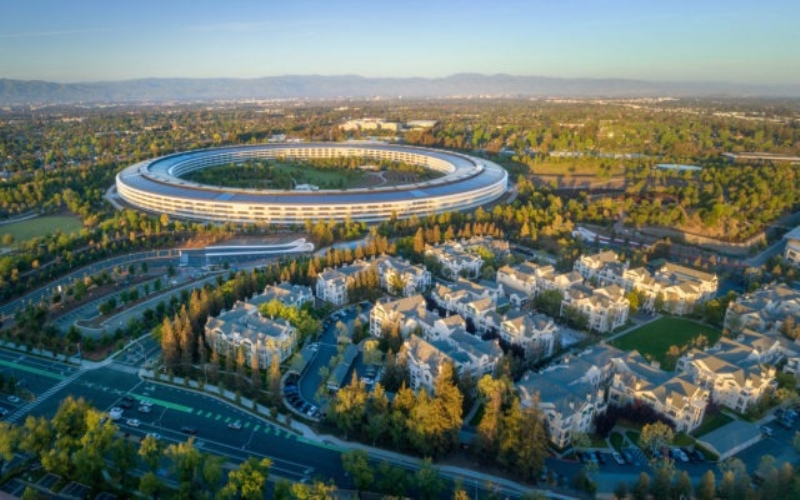
Silicon Valley, located in the southern part of the San Francisco Bay Area in California, has become synonymous with innovation, technology, and entrepreneurial excellence. It is home to some of the world’s largest and most influential tech companies, including Apple, Google, Facebook (now Meta), and Tesla. Beyond being a geographical location, Silicon Valley represents a culture of relentless innovation and a hub where ideas transform into groundbreaking technologies that shape the future.
In this article, we will delve into the history, culture, and significance of Silicon Valley, exploring its key players, challenges, and how it continues to inspire the world.
A Brief History of Silicon Valley
Origins of the Name
The term “Silicon Valley” was first coined in 1971 by journalist Don Hoefler in a series of articles titled “Silicon Valley USA.” The name reflects the region’s role in the development of silicon-based semiconductors, which were crucial to the growth of the tech industry.
Early Beginnings
The roots of Silicon Valley can be traced back to Stanford University and its focus on fostering innovation. In the early 20th century, Frederick Terman, a Stanford professor often referred to as the “Father of Silicon Valley,” encouraged students and faculty to start their own companies. This laid the groundwork for the region’s entrepreneurial culture.
In the 1930s, Hewlett-Packard (HP), one of the first tech companies in the area, was founded in a garage in Palo Alto—a location now considered a historic landmark and a symbol of Silicon Valley’s startup spirit.
The Semiconductor Revolution
The 1950s and 1960s marked the rise of semiconductor companies, including Fairchild Semiconductor and Intel. These companies played a pivotal role in establishing Silicon Valley as a hub for technological innovation. The region’s emphasis on research and development attracted talent and investments, fostering the growth of numerous tech startups.
Key Players in Silicon Valley
Silicon Valley is home to some of the most iconic companies and individuals in the tech world. Here are a few key players:
1. Apple Inc.
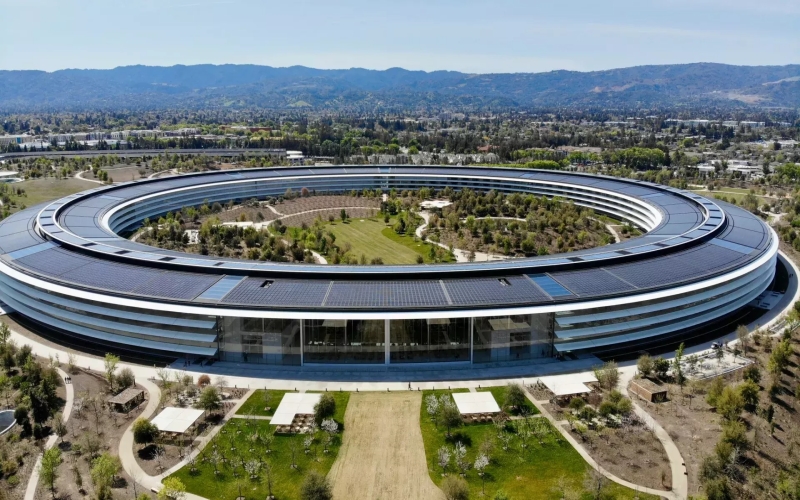
Founded by Steve Jobs, Steve Wozniak, and Ronald Wayne in 1976, Apple has revolutionized the tech industry with products like the Macintosh, iPhone, and iPad. Headquartered in Cupertino, Apple continues to lead in innovation and design.
2. Google (Alphabet Inc.)
Established in 1998 by Larry Page and Sergey Brin, Google started as a search engine and has since expanded into areas like cloud computing, artificial intelligence, and autonomous vehicles. Its headquarters, known as the Googleplex, is located in Mountain View.
3. Meta (formerly Facebook)
Launched in 2004 by Mark Zuckerberg and his co-founders, Meta has transformed how people connect and share information globally. Its headquarters in Menlo Park reflects Silicon Valley’s collaborative and innovative culture.
4. Tesla and SpaceX
Founded by Elon Musk, Tesla has revolutionized the automotive industry with electric vehicles, while SpaceX has redefined space exploration. Both companies epitomize Silicon Valley’s ambition to tackle global challenges through technology.
5. Stanford University
Stanford has been a driving force behind Silicon Valley’s success, producing countless entrepreneurs and providing resources for startups. Its close ties to the tech industry make it a central player in the region’s ecosystem.
The Culture of Innovation
Silicon Valley is not just a place; it’s a mindset. The region’s culture of innovation is characterized by:
1. Risk-Taking
Entrepreneurs in Silicon Valley embrace failure as a stepping stone to success. The willingness to take risks and learn from mistakes is deeply ingrained in the culture.
2. Collaboration
Despite being competitive, Silicon Valley thrives on collaboration. Tech leaders often share ideas, mentor startups, and invest in promising ventures, creating a supportive ecosystem.
3. Diversity and Inclusion
Silicon Valley attracts talent from around the world, fostering a diverse and inclusive environment. This diversity is a key driver of creativity and innovation.
4. Continuous Learning
With rapid advancements in technology, staying ahead requires continuous learning. Silicon Valley’s professionals are committed to upskilling and adapting to change.

Challenges Facing Silicon Valley
Despite its success, Silicon Valley faces several challenges:
1. Rising Costs
The cost of living in Silicon Valley is among the highest in the United States. Housing affordability and income inequality are significant concerns for residents and workers.
2. Ethical Issues
The tech industry’s rapid growth has raised ethical questions around data privacy, AI, and the impact of automation on jobs. Companies are under pressure to address these issues responsibly.
3. Competition from Other Tech Hubs
While Silicon Valley remains a global leader, other regions, such as Austin, Texas, and Seattle, Washington, are emerging as tech hubs, offering more affordable alternatives for startups and talent.
4. Environmental Sustainability
As the region continues to grow, sustainability challenges, such as energy consumption and waste management, need to be addressed to ensure long-term viability.
The Future of Silicon Valley
Silicon Valley’s ability to adapt and innovate ensures its relevance in the ever-changing tech landscape. Here are some trends shaping its future:
1. Focus on Artificial Intelligence
AI is at the forefront of Silicon Valley’s innovation efforts. Companies are investing heavily in AI research and applications, from healthcare to autonomous vehicles.
2. Sustainability Initiatives
Tech companies are prioritizing sustainability by adopting renewable energy, reducing carbon footprints, and developing eco-friendly technologies.
3. Remote Work and Decentralization
The COVID-19 pandemic accelerated the shift to remote work, challenging the traditional office-centric model of Silicon Valley. This trend may lead to a more decentralized tech ecosystem.
4. Expansion into Emerging Markets
Silicon Valley companies are increasingly targeting emerging markets, leveraging technology to address global challenges and tap into new customer bases.
Conclusion
Reading Silicon Valley’s story is like exploring the blueprint of modern innovation. Its journey from a region of orchards to the world’s tech epicenter is a testament to the power of vision, collaboration, and perseverance. Despite its challenges, Silicon Valley continues to inspire entrepreneurs and innovators globally, proving that with the right mindset, the possibilities are limitless.
