


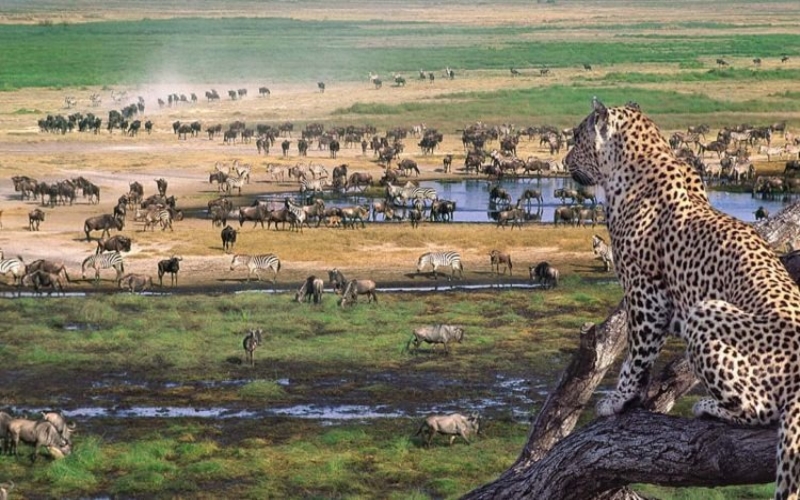
Ngorongoro Crater, often described as Africa’s Eden, is one of the world’s most extraordinary geological and ecological marvels. Located in northern Tanzania, Ngorongoro Crater is the largest inactive volcanic caldera on Earth, boasting a rich history, unparalleled biodiversity, and cultural significance. It covers about 260 square kilometers, with a depth of over 600 meters, creating an isolated ecosystem that shelters an incredible variety of wildlife within its steep walls. Beyond its natural beauty, the Ngorongoro Conservation Area (NCA), which includes the crater, is also home to the Maasai people, whose way of life continues to coexist with the wildlife. Recognized as a UNESCO World Heritage Site, Ngorongoro Crater draws visitors from around the globe for its unique combination of ecological diversity, geological formation, and cultural richness.
Geological Formation of Ngorongoro Crater
Ngorongoro Crater formed approximately 2 to 3 million years ago when a massive volcano, believed to be higher than Mount Kilimanjaro, erupted and collapsed on itself. This volcanic collapse created a vast, bowl-like depression called a caldera. The result was a highland plain encircled by the crater walls, giving rise to a unique microenvironment distinct from the surrounding areas. The crater’s floor sits at an elevation of about 1,800 meters (5,900 feet) above sea level, while the crater rim rises to more than 2,400 meters (7,800 feet).
The presence of lakes, rivers, and forest patches inside the caldera has helped shape an ecosystem where a remarkable variety of wildlife can flourish. Rainwater and springs contribute to Lake Magadi, a shallow, alkaline lake at the center of the crater, which provides hydration for various species. The surrounding landscape has evolved into grasslands, swamps, and small forests, each supporting different animals and plant life.
Wildlife and Biodiversity in the Ngorongoro Crater
Ngorongoro Crater is renowned for its dense and diverse wildlife population. Often considered a natural “enclosure,” the crater floor offers a relatively stable habitat where animals are safe from seasonal migration patterns and most natural predators outside the caldera walls. This has led to some of the highest concentrations of large mammals found anywhere in Africa, making the crater a prime destination for wildlife viewing.
The Big Five and Other Large Mammals
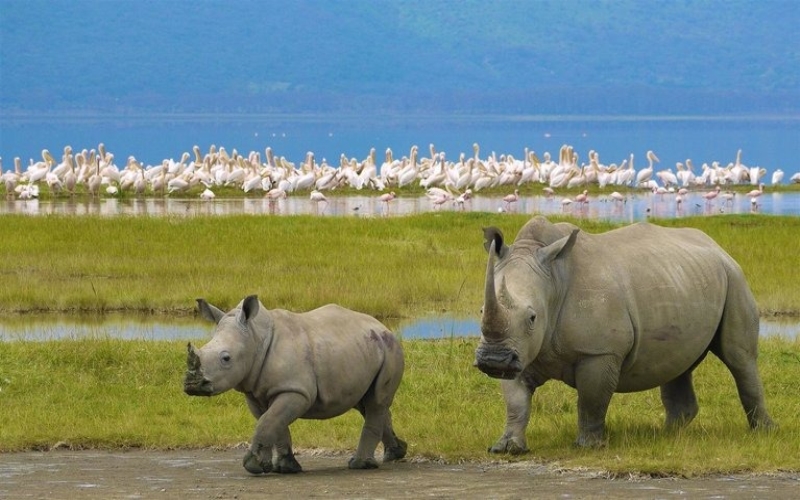
One of the most exciting aspects of Ngorongoro Crater is the presence of the “Big Five” animals: elephants, lions, leopards, buffaloes, and rhinoceroses. Among these, the black rhinoceros stands out due to its endangered status. Ngorongoro provides one of the last sanctuaries in East Africa where these rare rhinos can be observed in the wild, making the conservation efforts within the crater critically important.
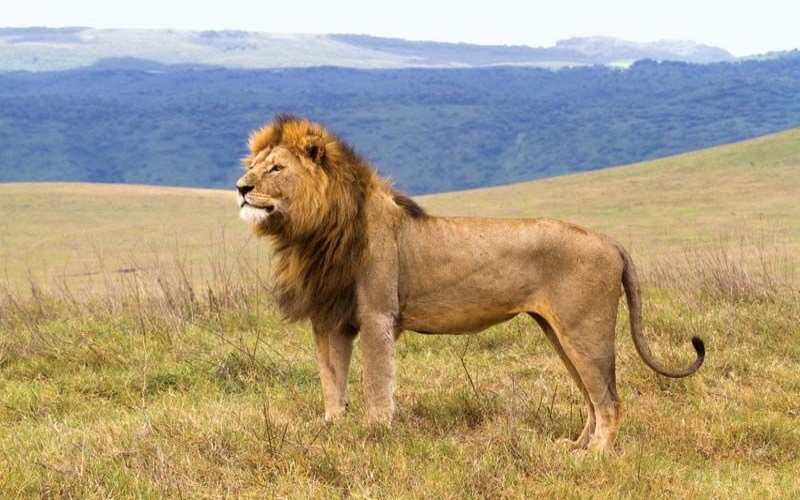
Lions are perhaps the most iconic inhabitants of the crater, with a population that fluctuates based on prey availability and disease factors. The crater’s unique topography prevents lions from leaving the area, contributing to a relatively stable lion population that has adapted well to the crater’s conditions. The lack of genetic diversity among these lions, however, has been a concern, as it increases their vulnerability to diseases.
The crater is also home to large herds of herbivores such as zebras, wildebeests, and gazelles. These grazing animals attract predators, including hyenas, cheetahs, and occasionally leopards, contributing to a balanced ecosystem within the crater. Buffalos, hippos, and elephants also roam the crater floor, with elephants being primarily solitary males that have descended from the surrounding highlands in search of food and water.
Birdlife
Birdwatchers visiting Ngorongoro Crater can expect to see a diverse range of bird species. Over 500 species have been recorded, many of which are migratory. Flamingos are a spectacular sight on Lake Magadi, their pink plumage contrasting with the green and brown hues of the landscape. The lake also attracts a variety of waterbirds, such as pelicans, herons, and egrets. Additionally, raptors such as eagles, hawks, and vultures soar over the crater, drawn by the abundance of prey and carrion.
Cultural Significance and the Maasai Community
While Ngorongoro Crater is famous for its wildlife, the area is also culturally significant, as it is part of the traditional homeland of the Maasai people. The Maasai have a unique relationship with the land, as they are among the few indigenous groups allowed to live and graze their cattle within a conservation area. The Ngorongoro Conservation Area was established as a multi-use area where wildlife conservation and human habitation could coexist, recognizing the cultural and historical ties the Maasai have to the land.
The Maasai are known for their vibrant clothing, beadwork, and distinct customs, and they often draw as much attention as the crater’s wildlife. Their cattle-herding lifestyle coexists remarkably with the conservation goals of the area, demonstrating an integrated approach to managing natural resources. Visitors to the NCA can learn about the Maasai way of life and participate in cultural exchanges that highlight their resilience and adaptability.
Conservation Efforts in Ngorongoro Crater
The Ngorongoro Conservation Area Authority (NCAA) manages the crater and surrounding regions with a focus on preserving the delicate balance between human activities and ecological conservation. The NCAA’s approach is unique in allowing Maasai pastoralists to inhabit and use the land sustainably while protecting wildlife and biodiversity.
Conservation efforts within the crater face several challenges, including issues related to human-wildlife conflict, overgrazing, and tourist impact. Increased tourism has placed pressure on the environment, leading to initiatives to limit vehicle access within the crater and implement regulations that protect the habitat from degradation. Over the years, the NCAA has introduced measures to ensure sustainable tourism, such as restricting the number of vehicles entering the crater daily and educating visitors on respectful behavior.
Another conservation focus is the preservation of endangered species, particularly the black rhinoceros. Anti-poaching efforts, habitat protection, and strict monitoring are implemented to maintain the rhino population. In addition, research on the genetic diversity of species like lions and the impact of climate change on the crater’s ecosystem informs ongoing conservation strategies.
Tourism and Activities in Ngorongoro Crater
Ngorongoro Crater is one of Tanzania’s most popular tourist destinations, drawing thousands of visitors every year who are eager to experience its natural beauty and wildlife. The crater is accessible from Arusha, a city often used as a starting point for safari tours. Several activities within the crater allow visitors to fully immerse themselves in this incredible natural wonder.
- Game Drives
Game drives are the primary activity in Ngorongoro Crater, providing visitors with a chance to see the diverse wildlife up close. Early morning and late afternoon are the best times for game drives, as animals are most active during these periods. During a game drive, visitors may encounter lions, rhinos, elephants, and various other species in their natural habitat. The experience of viewing animals within the enclosed space of the crater, surrounded by towering walls and a seemingly endless horizon, is truly unforgettable. - Birdwatching
For bird enthusiasts, Ngorongoro offers fantastic opportunities for birdwatching. With the many different bird species found around Lake Magadi and within the crater’s diverse landscapes, visitors can see everything from colorful flamingos to majestic raptors. Birdwatching is popular during the migration season, when many species make their way through the area. - Walking Safaris and Crater Rim Hiking
While walking safaris are generally not permitted on the crater floor due to safety concerns, guided walks along the crater rim provide an alternative way to explore the area. These hikes offer stunning panoramic views of the crater and surrounding highlands, with knowledgeable guides providing insights into the flora and fauna, as well as the Maasai culture. - Cultural Visits to Maasai Villages
Visitors can explore Maasai villages in the vicinity of Ngorongoro Crater to gain insight into their traditional lifestyle. The Maasai are warm and welcoming to visitors, often sharing stories about their history, cultural practices, and the challenges they face. Cultural visits allow tourists to appreciate the coexistence of human and wildlife populations within the NCA.
Environmental Challenges and the Future of Ngorongoro Crater
While Ngorongoro Crater is celebrated for its natural beauty and biodiversity, it faces several environmental challenges. The increasing number of visitors to the area has raised concerns about environmental degradation, and there are ongoing discussions about how to balance tourism with conservation. Overgrazing by cattle is another significant issue, as it can lead to soil erosion and habitat degradation. The NCAA works continuously to implement sustainable practices, but these challenges highlight the need for continued vigilance and adaptability.
Climate change is an additional concern for Ngorongoro Crater. Changes in rainfall patterns, temperature fluctuations, and prolonged droughts could impact the availability of water within the crater, affecting both the wildlife and the Maasai communities who depend on the land. Conservationists are actively researching these potential impacts and exploring solutions to mitigate them.
The Legacy of Ngorongoro Crater
Ngorongoro Crater is more than just a stunning geological feature; it is a living testament to the beauty of the natural world and the resilience of cultural traditions. For the Maasai, the crater represents a connection to their ancestors and a source of livelihood. For visitors, it is an opportunity to witness one of Africa’s most remarkable ecosystems, where predators and prey coexist in a natural enclosure of extraordinary beauty.
The balance achieved between conservation and the preservation of human heritage in Ngorongoro offers valuable lessons for other conservation areas around the world. By protecting biodiversity, respecting local cultures, and promoting sustainable tourism, Ngorongoro Crater
