


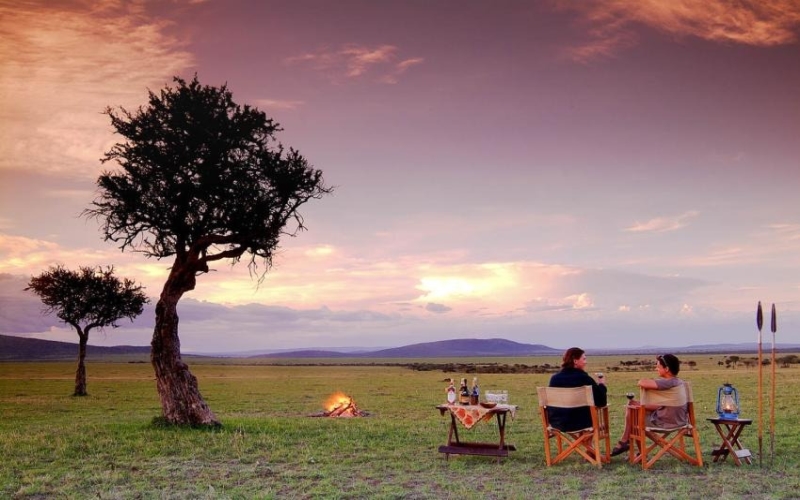
The Masai Mara in Kenya and the Serengeti in Tanzania form one of the most spectacular ecosystems in the world, known for their remarkable biodiversity, breathtaking landscapes, and the legendary Great Migration. Stretching across the Kenya-Tanzania border, these iconic parks represent Africa’s wild beauty, where vast grasslands, vibrant sunsets, and encounters with exotic wildlife create unforgettable experiences. The journey from the Masai Mara to the Serengeti is more than just a cross-border adventure—it’s an immersion in the heart of Africa’s natural splendor.
The Masai Mara: A Haven for Wildlife
The Masai Mara National Reserve, named after the Maasai people who have long inhabited the area, is a sprawling reserve in southwestern Kenya. Covering approximately 1,510 square kilometers, the Mara is famous for its dense population of predators, especially lions, and for hosting part of the annual Great Migration. The Mara’s ecosystem is defined by its rolling savannah, scattered acacia trees, and rivers that sustain diverse wildlife, including the Big Five—lions, leopards, elephants, buffaloes, and rhinos.
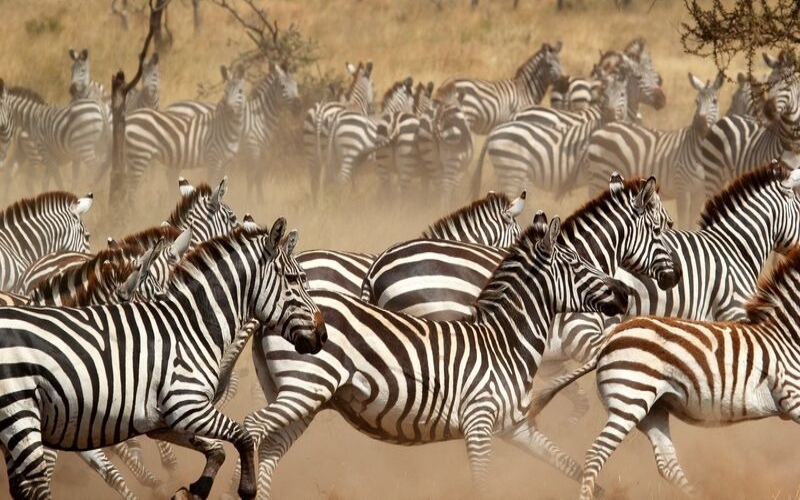
The Mara River, which cuts through the reserve, is central to the Great Migration. Every year, millions of wildebeest, zebras, and gazelles journey from the Serengeti into the Mara in search of lush grazing grounds. This migration creates one of nature’s most dramatic spectacles, as animals navigate through crocodile-infested waters and face predators waiting at every turn. Safari-goers from around the globe come to witness the Mara’s incredible density of wildlife and this awe-inspiring journey.
The Great Migration: A Natural Wonder
The Great Migration is one of the defining features of both the Masai Mara and the Serengeti. This circular migration, covering roughly 1,200 miles, is a survival strategy for herbivores as they seek out fresh pasture. The migration generally follows seasonal rains, moving from the southern Serengeti to the northern Serengeti and into the Masai Mara, before eventually looping back.
The migration’s timeline is dependent on the rains and can vary year by year. Typically, from July to October, the animals are in the Mara, crossing the perilous Mara River and creating a spectacle that has become synonymous with African wildlife safaris. These river crossings are especially tense, as Nile crocodiles lurk below the surface, while lions and leopards await on the banks, creating a scene of life and death that encapsulates the primal essence of the African wilderness.
Crossing Borders: From the Mara to the Serengeti
Traveling from the Masai Mara to the Serengeti is a seamless journey through an ecosystem that transcends borders. The Serengeti National Park in Tanzania is vast, covering over 14,750 square kilometers—nearly ten times the size of the Masai Mara. The Serengeti’s vastness allows for more expansive habitats, from savannah and woodlands to riverine forests and kopjes (rocky outcrops), each providing unique habitats for wildlife.
The border between the two parks, marked by a simple crossing point, is more symbolic than physical. The animals in the Great Migration move freely across this invisible line, as the ecosystem itself is shared between Kenya and Tanzania. Tourists can cross from the Masai Mara into the Serengeti at the Isebania or Sand River border posts, though it’s recommended to arrange cross-border safaris with licensed operators who handle the logistics, including immigration formalities, road transfers, and accommodations.
The Serengeti: Africa’s Ultimate Safari Destination
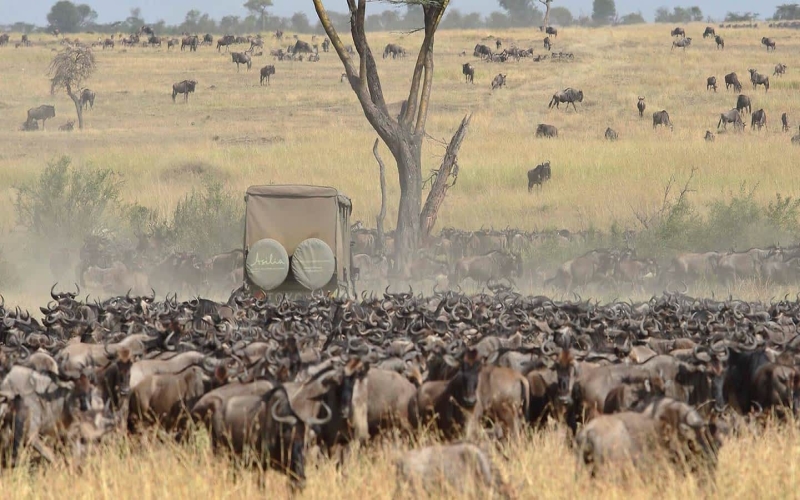
Once across the border, the Serengeti welcomes travelers with its dramatic landscapes and vast horizons. The Serengeti is divided into three main areas: the Serengeti Plains, the Western Corridor, and the Northern Serengeti. Each area offers distinct experiences, from vast grasslands filled with grazing animals to densely wooded areas home to elusive leopards and primates.
The Serengeti Plains, located in the south, are the heart of the Great Migration during the calving season. Between January and March, hundreds of thousands of wildebeest give birth to their young, creating a unique sight as predators like lions, hyenas, and cheetahs converge on the plains for an easy meal. This period offers an excellent opportunity for travelers to witness predator-prey interactions and observe the young animals as they take their first steps.
The Western Corridor, stretching towards Lake Victoria, is notable for its Grumeti River. During the migration, the Grumeti River crossings present another dangerous challenge for the wildebeest, as they again confront crocodile-infested waters. The area is also home to large populations of hippos and a variety of bird species, making it a unique stop along the migration route.
The Northern Serengeti, close to the Kenya-Tanzania border, is where the Mara River lies. This region, with its rolling hills and scenic vistas, is a prime location for seeing river crossings during the migration season. Additionally, the Northern Serengeti offers year-round game viewing, with opportunities to see elephants, giraffes, and more.
Unique Wildlife Encounters in the Masai Mara and Serengeti
The Masai Mara and Serengeti are unparalleled in their diversity and density of wildlife, offering some of the best opportunities for seeing Africa’s iconic animals. The Big Five—especially lions, leopards, and elephants—are abundant in both parks. Cheetahs are also commonly seen here, especially in the open grasslands of the Serengeti, where they hunt in broad daylight. The chance to observe lions basking in the sun, elephants roaming in herds, and cheetahs sprinting across the plains is a wildlife enthusiast’s dream come true.
Birdwatchers are also rewarded with a fantastic variety of species in both parks. The Mara and Serengeti are home to over 500 bird species, including raptors like the African fish eagle and vultures that play a crucial role in the ecosystem. The diversity of habitats—rivers, savannahs, forests, and wetlands—ensures that birdwatchers will see species ranging from the small weaver bird to the massive ostrich.
Maasai Culture and Heritage
The Maasai people are an integral part of the Masai Mara region, with a rich cultural heritage that has been closely tied to the land for centuries. Known for their distinctive red clothing, beadwork, and nomadic lifestyle, the Maasai are proud custodians of the natural world around them. Many safaris in the Masai Mara include visits to Maasai villages, where tourists can learn about Maasai customs, traditions, and the ways they have coexisted with wildlife over generations.
While the Serengeti itself does not have permanent human settlements, Maasai communities reside in surrounding areas, contributing to conservation efforts and sustainable tourism practices. Visiting Maasai communities and learning about their customs is a memorable aspect of traveling in these regions, providing insight into the lives of the people who call this land home.
Conservation and Sustainable Tourism
Both the Masai Mara and the Serengeti face challenges associated with conservation, as human population growth, agriculture, and tourism exert pressure on these fragile ecosystems. Kenya and Tanzania, along with various conservation organizations, work to balance tourism with preservation efforts to protect wildlife and habitats. Anti-poaching measures, habitat restoration, and community-based conservation initiatives are crucial to sustaining the unique biodiversity of these regions.
Community-based tourism is an important aspect of conservation. Revenue from park fees, tourism lodges, and safari operators provides funding for conservation efforts and supports local communities. By engaging local populations in tourism and conservation, Kenya and Tanzania aim to create economic incentives that reduce poaching and encourage the sustainable use of resources.
Additionally, eco-lodges and camps that prioritize sustainability have emerged throughout the Masai Mara and Serengeti. These accommodations reduce environmental impact through measures like solar power, waste management, and water conservation. By choosing responsible tour operators and accommodations, visitors can contribute to the conservation of these extraordinary landscapes.
Planning a Journey from the Masai Mara to the Serengeti
Embarking on a journey from the Masai Mara to the Serengeti is a thrilling adventure that requires some logistical planning. Options for travel include overland transfers, often in 4×4 safari vehicles, or flights between Nairobi, Kenya, and Arusha, Tanzania. For those looking to cross the border within the parks, it’s essential to work with reputable safari companies that handle the necessary paperwork and transportation.
Accommodations in both parks range from luxurious tented camps and eco-lodges to more budget-friendly options. Given the popularity of the Great Migration season, particularly from July to October, it’s advisable to book accommodations and safaris well in advance. Safari operators can tailor itineraries based on travel preferences, allowing for a mix of game drives, walking safaris, hot-air balloon rides, and cultural visits.
The Magic of the Masai Mara and the Serengeti
The journey from the Masai Mara to the Serengeti is not merely a geographic transition; it’s an exploration of the timeless rhythms of nature and a testament to Africa’s enduring beauty. These iconic parks provide an unparalleled opportunity to witness the circle of life, from the calving of wildebeest on the Serengeti Plains to the dramatic river crossings in the Mara.
Travelers are captivated by the spectacle of predators stalking their prey, the sight of vast herds moving in unison, and the sounds of the African wilderness at dusk. The Masai Mara and Serengeti remind us of the natural world’s majesty, fragility, and importance, inviting us to reconnect with the wild and cherish its wonders.
Whether you are a seasoned wildlife enthusiast or a first-time visitor, a safari in the Masai Mara and Serengeti is a journey of discovery, an immersion in nature, and an unforgettable chapter in any traveler’s story. Through responsible
