


A Haven for Wildlife
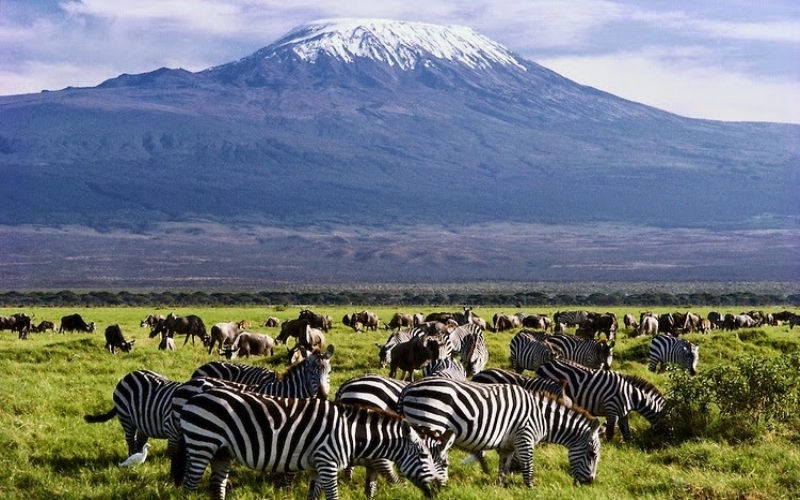
Amboseli is famous for its rich biodiversity, particularly its large elephant herds, many of which have been studied extensively over the years, contributing to global research on elephant behavior and social structures. The park is home to around 1,600 elephants, making it one of the best places in Africa to observe these majestic creatures up close. The elephants are frequently spotted traversing the plains with the backdrop of Mount Kilimanjaro, providing one of Africa’s most iconic views.
Aside from elephants, Amboseli hosts numerous other wildlife species. Lions, leopards, cheetahs, giraffes, zebras, wildebeest, and a variety of antelope species are among the park’s inhabitants. Bird watchers are also drawn to Amboseli due to its impressive avian diversity, with more than 400 bird species recorded, including pelicans, kingfishers, egrets, and the African fish eagle. This vibrant biodiversity offers visitors multiple opportunities for wildlife viewing, whether on traditional game drives, bird-watching tours, or photography safaris.
The Majestic Backdrop of Mount Kilimanjaro
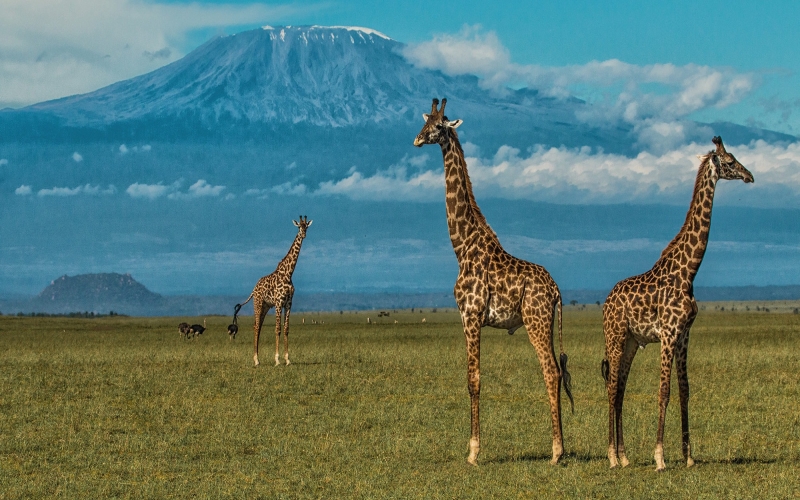
One of the unique attractions of Amboseli National Park is its proximity to Mount Kilimanjaro, Africa’s highest peak. Although the mountain is across the border in Tanzania, its snow-capped summit provides a dramatic backdrop to the park’s plains. The view of elephants and other wildlife moving across the Amboseli landscape with Kilimanjaro towering behind them is a scene sought after by photographers and travelers worldwide.
The best time to catch unobstructed views of Kilimanjaro is typically early morning or late evening when the clouds lift to reveal the mountain’s full splendor. These times also happen to be ideal for game drives, offering visitors an unforgettable experience as they witness wildlife against the dramatic scenery.
Unique Ecosystems within the Park
Amboseli is known for its variety of landscapes and ecosystems that support its diverse wildlife. These include:
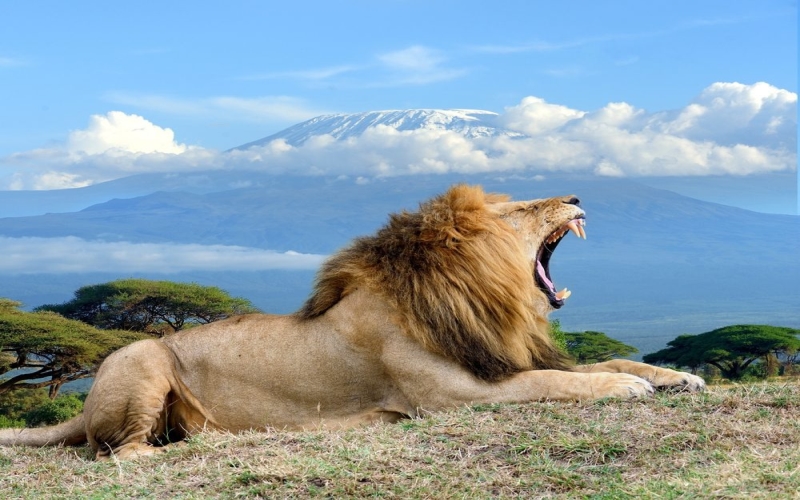
- Savannah Plains: The open grasslands cover much of Amboseli, making it easier to spot wildlife. The plains are dotted with acacia trees and seasonal marshes, providing food and water sources for many animals.
- Marshlands and Swamps: Amboseli’s marshlands are fed by underground water from Mount Kilimanjaro’s glaciers, creating an oasis in an otherwise arid region. These swamps are essential for the survival of elephants and other animals during dry seasons and attract a high concentration of wildlife, offering prime game-viewing locations.
- Lake Amboseli: This large, seasonal lake is mostly dry, except during the rainy season, when it fills with water and attracts wading birds and other wildlife. During the dry season, the lakebed becomes a vast, shimmering salt flat that adds to the park’s unique landscape.
- Woodlands and Acacia Forests: Scattered woodlands in Amboseli provide shelter for animals and serve as vital feeding areas. The acacia trees attract giraffes, elephants, and various bird species.
Conservation and Challenges
Amboseli National Park plays a crucial role in Kenya’s conservation efforts. The park is managed by the Kenya Wildlife Service (KWS), which works to protect Amboseli’s wildlife from threats such as poaching, habitat loss, and human-wildlife conflict. Thanks to conservation efforts, Amboseli’s elephant population has been protected and monitored for years, allowing researchers to study and understand their behavior deeply.
However, the park faces challenges. The nearby communities rely on agriculture and livestock for their livelihood, which sometimes leads to conflicts over water and grazing land. Human-wildlife conflicts occasionally arise as elephants and other animals may stray from the park in search of food and water, particularly during dry seasons. Conservation groups work with local communities to promote sustainable tourism and find solutions that benefit both wildlife and local people, emphasizing Amboseli’s role as an economic asset for the region.
Cultural Encounters with the Maasai
The Maasai people have lived in harmony with the wildlife around Amboseli for centuries, and many Maasai villages surround the park. For visitors, a trip to Amboseli offers an opportunity to learn about Maasai culture and traditions. Several Maasai communities welcome guests to experience their customs, including traditional dances, songs, and storytelling. Visitors can also purchase handcrafted jewelry, beadwork, and other artisanal goods directly from Maasai artisans, supporting the local economy and fostering cultural exchange.
Best Times to Visit
The best time to visit Amboseli National Park largely depends on what you hope to see and experience.
- Dry Season (June to October): The dry season is the most popular time to visit, as animals are more likely to gather around water sources, making them easier to spot. Vegetation is also thinner, improving visibility for wildlife viewing.
- Wet Season (November to May): The wet season brings lush green landscapes and is an excellent time for bird watching, as migratory birds arrive in large numbers. Although wildlife can be more challenging to spot due to dense vegetation, the park is less crowded, offering a quieter, more peaceful experience.
Eco-Tourism and Sustainable Travel
As one of Kenya’s most visited parks, Amboseli National Park encourages sustainable tourism practices to preserve its ecosystems. Eco-friendly lodges and camps around the park are designed to minimize environmental impact while providing comfortable accommodations. Many of these establishments use renewable energy sources, practice water conservation, and support local conservation efforts.
Travelers can contribute to Amboseli’s conservation by choosing eco-certified tour operators, respecting wildlife, and following park guidelines that help minimize human impact on natural habitats. Engaging with community-led initiatives, such as Maasai village tours, also contributes to the local economy and supports sustainable development in the region.
Planning Your Visit
For travelers planning a visit, Amboseli is accessible by road and air. It’s located about 240 kilometers from Nairobi, Kenya’s capital, making it a 4-5 hour drive. Regular flights also operate from Nairobi to Amboseli’s airstrips, providing a quicker and more convenient option for those short on time.
Accommodations in Amboseli range from luxury lodges to tented camps, catering to various budgets. Some popular lodges, like Ol Tukai Lodge, Amboseli Serena Safari Lodge, and Tortilis Camp, are situated within or near the park and offer guided safaris and cultural excursions.
Most visitors book guided tours to maximize their experience, as knowledgeable guides can provide insights into Amboseli’s ecology, animal behavior, and conservation efforts. Guided tours also allow guests to explore the park safely and responsibly, enhancing both enjoyment and safety.
Why Amboseli National Park Should Be on Your Travel List
Amboseli National Park is not only a prime destination for wildlife and scenic beauty but also a place of significant ecological and cultural importance. It offers visitors an extraordinary chance to witness the grandeur of African landscapes, experience the warmth of Maasai culture, and support conservation initiatives that protect its ecosystems. Amboseli’s stunning landscapes, abundant wildlife, and proximity to Mount Kilimanjaro make it a must-visit destination for anyone seeking an unforgettable African safari experience.
Whether you’re a wildlife enthusiast, a photographer, or a cultural explorer, Amboseli National Park provides a rich and varied experience. With continued conservation efforts and a commitment to sustainable tourism, Amboseli remains a valuable treasure in Kenya’s natural heritage, ensuring that its beauty and biodiversity can be enjoyed for generations to come.
