


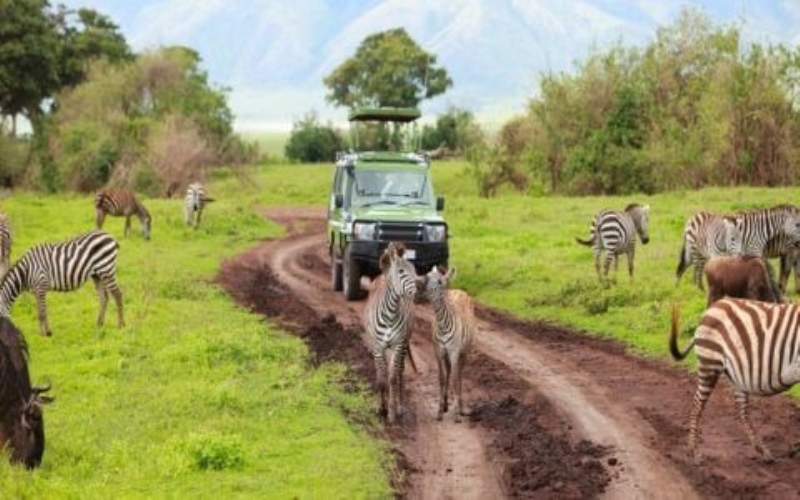
As Africa continues to rise as a top destination, Zambia, Malawi, and Mozambique are poised to offer travelers an authentic blend of breathtaking landscapes, wildlife, and cultural richness in 2024. These Southern African countries each have distinct characteristics yet share an inviting warmth and a wealth of natural beauty that draw adventurers, nature lovers, and cultural enthusiasts alike.
Zambia: The Heart of Wildlife and Adventure Tourism
Zambia is home to some of the world’s most stunning national parks and offers immersive wildlife experiences. The country is known for the iconic Victoria Falls, one of the Seven Natural Wonders of the World. Known locally as “Mosi-oa-Tunya” or “The Smoke That Thunders,” this majestic waterfall on the Zambezi River offers visitors thrilling experiences like bungee jumping, white-water rafting, and helicopter rides for stunning aerial views.
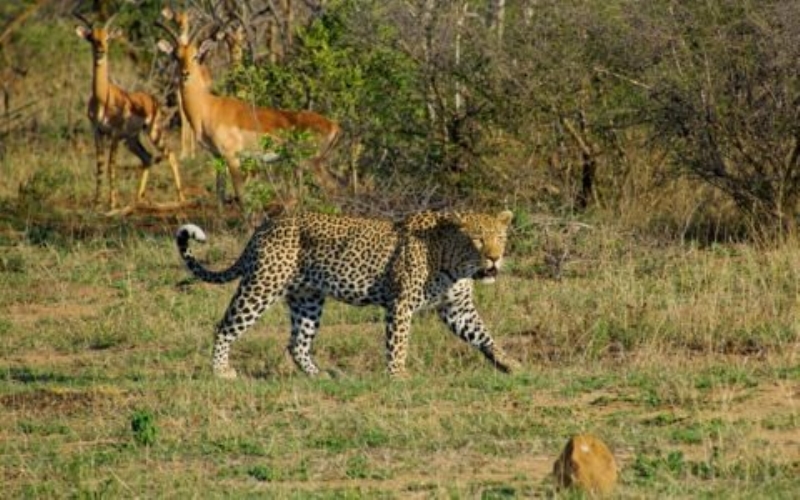
Beyond the falls, Zambia boasts a rich network of national parks that include South Luangwa, Lower Zambezi, and Kafue. South Luangwa National Park, in particular, is a renowned spot for walking safaris, providing a unique way to observe wildlife closely in their natural habitat. With its high density of animals, including leopards, elephants, and diverse bird species, it’s a paradise for nature lovers and photographers. Lower Zambezi National Park, located along the Zambezi River, provides excellent opportunities for canoeing safaris and guided fishing trips, making it ideal for those looking for a blend of adventure and relaxation.
For those interested in local culture, the vibrant capital, Lusaka, and the traditional city of Livingstone offer insights into Zambian customs and daily life. The country’s many markets, local crafts, and traditional dances add to the rich cultural experience.
Malawi: The Warm Heart of Africa
Malawi, affectionately known as the “Warm Heart of Africa,” is famed for its stunning Lake Malawi, which stretches over 500 kilometers along the country’s eastern border. The lake is a UNESCO World Heritage site and the third-largest lake in Africa. Its crystal-clear waters are home to hundreds of unique cichlid fish species, making it an unparalleled destination for snorkeling and scuba diving enthusiasts. Lake Malawi also offers beautiful beaches, idyllic islands, and quiet resorts that allow travelers to unwind while enjoying activities such as kayaking, sailing, and fishing.
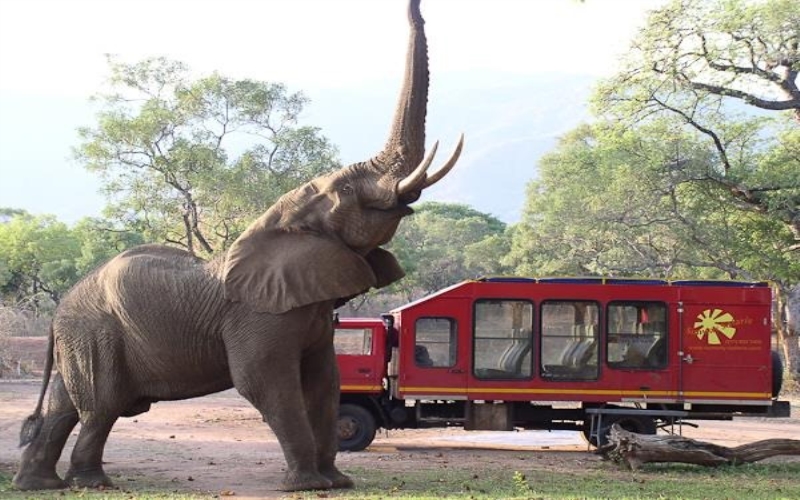
Beyond the lake, Malawi has several national parks and wildlife reserves. Liwonde National Park is a premier location for safari-goers, known for its elephant population, hippos, crocodiles, and a wide variety of bird species. Majete Wildlife Reserve, once depleted of many animals, has successfully reintroduced species like lions, black rhinos, and cheetahs, making it a conservation success story. These reserves are smaller compared to others in Africa, offering a more intimate wildlife viewing experience without the crowds.
Malawi is also culturally vibrant, with a friendly population known for their hospitality. Traditional Malawian music, dances, and crafts are integral to the country’s cultural landscape, giving visitors an opportunity to experience local customs firsthand. Towns like Blantyre and Lilongwe, the capital, offer glimpses into urban Malawian life with markets, cafes, and cultural centers that showcase the nation’s art and heritage.
Mozambique: Coastal Beauty and Cultural Richness
Mozambique is renowned for its beautiful Indian Ocean coastline, dotted with pristine beaches, historical towns, and thriving marine life. The Bazaruto Archipelago, a group of islands off the coast, is one of Africa’s premier beach destinations. Here, turquoise waters, coral reefs, and white sandy beaches create a paradise for those interested in snorkeling, diving, and island-hopping. The archipelago is part of the Bazaruto National Park, which protects endangered species like dugongs and turtles, and is home to diverse marine ecosystems, including colorful fish, dolphins, and even humpback whales.
In addition to its beaches, Mozambique has a rich cultural heritage that reflects a blend of African, Portuguese, and Arabic influences. Maputo, the vibrant capital city, is known for its historic architecture, lively markets, and bustling nightlife. Visitors can explore colonial buildings, such as the Central Train Station, designed by Gustave Eiffel, and enjoy the city’s lively music scene that features genres like Marrabenta, a popular Mozambican music style.
Gorongosa National Park, located in central Mozambique, is another key attraction. Known as one of Africa’s most biodiverse areas, the park is home to lions, elephants, and a wide variety of bird species. After years of restoration efforts following civil conflict, Gorongosa has become a model for conservation and ecotourism. It’s an ideal spot for those looking to witness remarkable landscapes and support sustainable tourism initiatives.
Planning a Trip to Zambia, Malawi, and Mozambique
Each country offers a unique blend of attractions, making them ideal for travelers who want to experience Southern Africa’s diversity in one trip. Zambia’s national parks and adventure experiences, Malawi’s lake and friendly communities, and Mozambique’s beaches and cultural heritage together create a holistic African experience.
Traveling between these countries is relatively easy, with established road networks and regular flights connecting major cities. The Southern African Development Community (SADC) region also allows for easier cross-border travel with a shared visa for certain nationalities. However, it’s advisable to check visa requirements and health precautions, especially regarding malaria, which is prevalent in many parts of these countries.
Accommodations range from luxury lodges and eco-resorts to budget-friendly guesthouses, allowing for flexibility based on travelers’ preferences and budgets. Many lodges and hotels in these countries actively contribute to conservation efforts, providing travelers with an opportunity to support eco-friendly practices and local communities.
Embracing Responsible Tourism
As more travelers flock to these beautiful destinations, responsible tourism is essential to preserving their natural and cultural heritage. By choosing accommodations that prioritize sustainable practices and engaging with local communities in respectful ways, visitors can contribute to the positive impact of tourism in Zambia, Malawi, and Mozambique.
Community-based tourism initiatives, such as cultural tours led by local guides and visits to community-run craft markets, offer a way for travelers to directly support the local economy. Volunteering with conservation projects, participating in educational programs, or supporting fair-trade crafts are ways to enhance the travel experience while giving back to the region.
Conclusion: Why Visit Zambia, Malawi, and Mozambique in 2024
In 2024, Zambia, Malawi, and Mozambique will continue to captivate travelers with their scenic beauty, rich cultures, and unique opportunities for adventure and relaxation. Whether it’s Zambia’s iconic Victoria Falls, Malawi’s stunning Lake Malawi, or Mozambique’s idyllic coastline and historical towns, these destinations promise memorable experiences that blend nature, culture, and adventure.
For travelers interested in both wildlife and cultural experiences, these Southern African countries offer a refreshing alternative to more frequented destinations in Africa, providing a chance to immerse oneself in the continent’s warmth, resilience, and diversity. By embracing sustainable and respectful travel practices, visitors can not only enjoy the beauty of these countries but also contribute to preserving it for future generations.
