


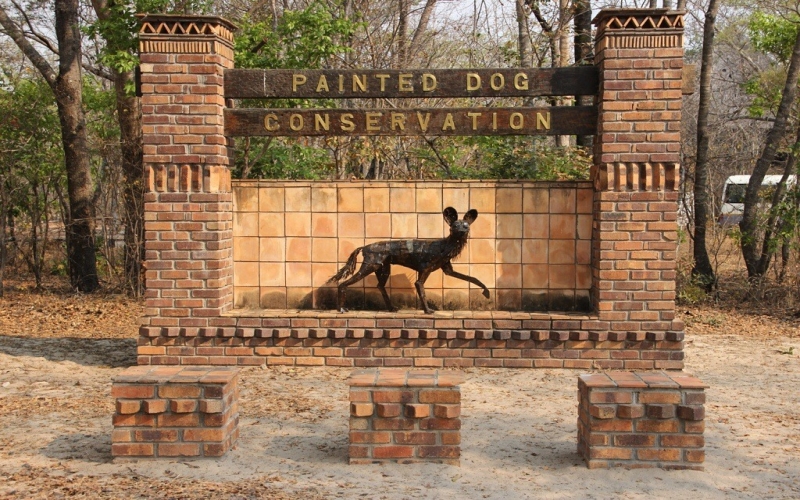
Nestled in the heart of the Hwange region of Zimbabwe, Painted Dog Conservation (PDC) is a beacon of hope for one of Africa’s most endangered predators, the African wild dog, also known as the painted dog. African painted dogs are distinctive, with their colorful, patchy coats of black, white, brown, and yellow, large rounded ears, and a highly social, cooperative pack structure. Despite their uniqueness and ecological importance, these animals face numerous threats that have left them on the brink of extinction. PDC is at the forefront of efforts to protect, rehabilitate, and raise awareness about these remarkable animals, offering visitors an educational and immersive experience that not only informs but also inspires.
Introduction to Painted Dog Conservation
Founded in 2002, Painted Dog Conservation was created in response to the alarming decline of painted dog populations across Africa. At the heart of PDC’s mission is a commitment to the survival of painted dogs through a multi-faceted approach that includes direct conservation efforts, community engagement, and educational outreach. With a team of conservationists, scientists, and community members, PDC has developed strategies that work to address poaching, road accidents, and habitat fragmentation—all of which are major contributors to the painted dog’s dwindling numbers.
PDC operates several facilities in the Hwange area, each dedicated to a different aspect of conservation. These facilities include the Rehabilitation Centre, the Anti-Poaching Unit, and the PDC Visitor Centre, all working together to provide a comprehensive approach to painted dog conservation and education.
The Rehabilitation Centre: A Haven for Injured Dogs
One of the primary facilities at PDC is the Rehabilitation Centre, where injured and orphaned painted dogs are given a second chance at life. Visitors to the center can see firsthand how the dedicated staff work tirelessly to rescue and rehabilitate dogs that have been injured by snares, hit by vehicles, or otherwise harmed by human activities. The goal of the Rehabilitation Centre is to treat these animals and, whenever possible, release them back into the wild to rejoin or form new packs.
During a visit to the Rehabilitation Centre, you may witness dogs recovering in specialized enclosures that mimic their natural environment. This approach not only aids in the dogs’ physical healing but also ensures that they retain the skills needed to survive independently once released. The staff at PDC prioritize creating a naturalistic environment, keeping human contact to a minimum to prevent the dogs from becoming habituated to people, which could jeopardize their safety upon release.
Anti-Poaching Efforts: Protecting Painted Dogs from Human Threats
One of the greatest threats to painted dogs in Zimbabwe is poaching. Though painted dogs are not typically the primary target, they often fall victim to snares set for other animals. These snares can inflict severe injuries, leading to painful deaths or debilitating wounds. To combat this, PDC has established an Anti-Poaching Unit that works to remove snares and educate local communities on the dangers and consequences of poaching.
Visitors to PDC may learn about the unit’s work and the strategies they use to dismantle poaching networks. This often includes patrols, surveillance, and working closely with local law enforcement and other conservation organizations. PDC also encourages community members to get involved, employing local people within the Anti-Poaching Unit and fostering a sense of shared responsibility for the protection of wildlife. The unit’s efforts have had a tangible impact, significantly reducing the number of snares and other threats in the Hwange region.
Community Engagement and Education: A Sustainable Approach
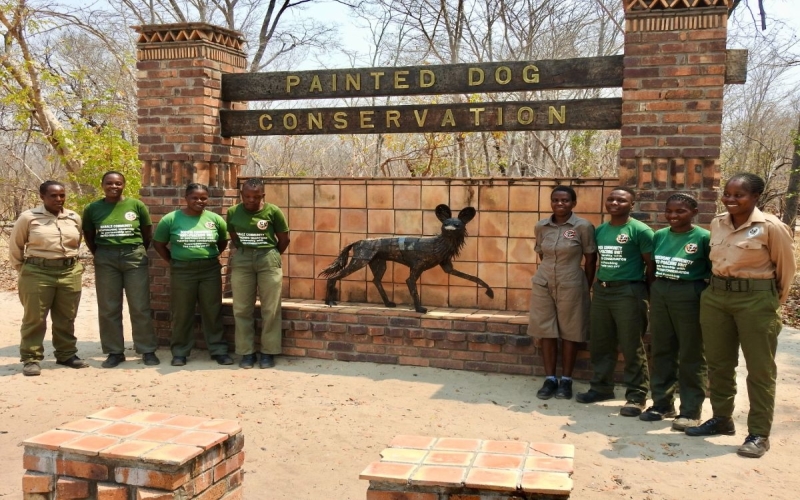
PDC recognizes that successful conservation relies heavily on the support and involvement of local communities. Therefore, they have implemented various programs aimed at educating the people living in and around Hwange about the importance of painted dogs and the role they play in the ecosystem. This approach not only helps to reduce human-wildlife conflict but also encourages a culture of conservation that benefits both the animals and the people who share the land with them.
PDC’s educational initiatives include school outreach programs, children’s clubs, and the Iganyana Children’s Bush Camp, which provides children with immersive educational experiences in nature. These programs focus on teaching children about the ecosystem, the importance of biodiversity, and how they can play a role in conservation efforts. For many children, these programs are transformative, offering them a new perspective on wildlife and conservation that they carry into adulthood.
The Visitor Centre at PDC is also a critical part of their community engagement efforts. Open to the public, the center offers exhibitions, information sessions, and guided tours that introduce visitors to the work of PDC and the importance of protecting painted dogs. Interactive displays allow visitors to learn more about painted dog behavior, ecology, and the threats they face, while PDC staff are on hand to answer questions and share insights from their work.
The Painted Dog’s Role in the Ecosystem
Painted dogs play a crucial role in their ecosystem as apex predators. By hunting weak or sick animals, they help control prey populations, which in turn maintains a healthy balance in the ecosystem. This role is vital in preventing the overpopulation of certain species, which can lead to habitat degradation and a decline in biodiversity. Protecting painted dogs, therefore, has a far-reaching impact, benefiting many other species that share their habitat.
During a visit to PDC, one can learn more about these ecological dynamics and gain a deeper understanding of why the survival of painted dogs is so important for the health of the environment. The PDC staff are passionate about explaining the intricacies of the ecosystem and how painted dogs fit into it, offering insights that enhance visitors’ appreciation for these animals and the delicate balance of nature.
Conservation Challenges and Achievements
Despite the best efforts of PDC and other conservation groups, painted dogs continue to face significant challenges. Habitat loss, human encroachment, and disease outbreaks like rabies and distemper can devastate painted dog populations. Additionally, the dogs’ tendency to range over vast distances makes it difficult to create protected areas large enough to encompass their territories.
Nevertheless, PDC has achieved impressive results. Their efforts have led to a marked decrease in poaching incidents in the Hwange region, and their rehabilitation and release programs have helped boost painted dog numbers. Education and community involvement have also increased awareness and appreciation for painted dogs among local populations, creating a supportive environment for conservation efforts.
Visiting Painted Dog Conservation: An Inspirational Experience
For visitors, a trip to Painted Dog Conservation is both educational and inspiring. PDC offers guided tours of its facilities, allowing visitors to see the work being done to protect and rehabilitate painted dogs. The experience is often eye-opening, revealing not only the challenges facing these animals but also the dedication and passion of the people working to save them.
The Visitor Centre provides an immersive experience, where guests can learn about the lives of painted dogs, the threats they face, and the measures being taken to secure their future. The exhibits are designed to be engaging for all ages, making it a family-friendly destination that fosters a love for wildlife and conservation.
Many visitors leave PDC with a new perspective on conservation and a desire to get involved. Some choose to support PDC’s work through donations or by sharing their experiences to raise awareness. For those who want to do more, PDC offers opportunities to volunteer or sponsor specific projects, allowing supporters to make a direct impact on painted dog conservation.
The Future of Painted Dog Conservation
The future of painted dogs remains uncertain, but the efforts of Painted Dog Conservation provide a glimmer of hope. With continued support, both locally and internationally, PDC aims to expand its programs, increase awareness, and create a safer environment for painted dogs in Zimbabwe. Their work highlights the importance of a comprehensive approach to conservation, one that includes anti-poaching initiatives, community engagement, education, and direct care for injured animals.
By visiting Painted Dog Conservation, one not only gains a deeper understanding of the plight of painted dogs but also becomes part of a broader movement to protect Africa’s wildlife. The experience is a reminder of the power of conservation to make a difference, one animal, one community, and one visitor at a time.
In summary, a visit to Painted Dog Conservation in Zimbabwe offers a rare opportunity to witness conservation in action and to learn about one of Africa’s most endangered and fascinating predators. Through education, rehabilitation, and community involvement, PDC is helping to ensure a future for painted dogs and inspiring visitors to carry the message of conservation far beyond the boundaries of Hwange.
