


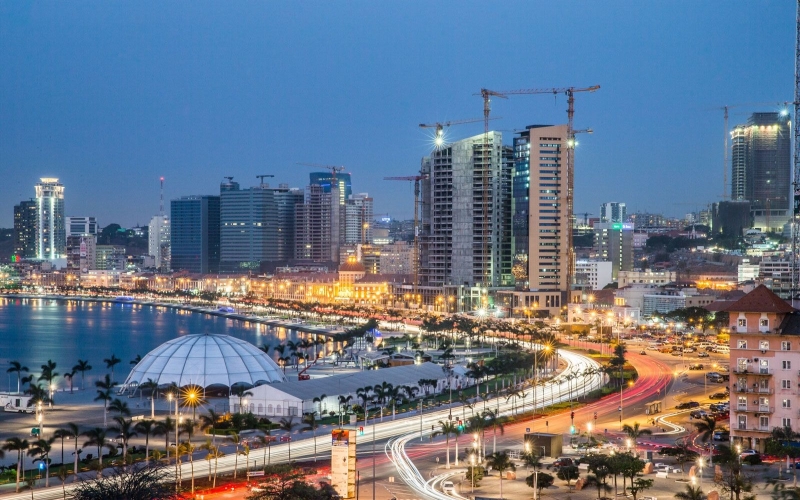
Luanda, the capital city of Angola, is a dynamic metropolis that sits along the Atlantic coast of southwest Africa. Known for its rich cultural heritage, economic importance, and unique juxtaposition of modern development with colonial history, Luanda is a fascinating city with a personality shaped by its complex past and bright future. From its vibrant street life to its beautiful coastal landscape, Luanda captures the essence of Angolan culture, resilience, and modern ambition.
Historical Overview of Luanda
Founded by the Portuguese in 1576, Luanda was initially established as São Paulo de Luanda and was intended as a strategic outpost for trade. Under Portuguese rule, Luanda became a major center in the transatlantic slave trade, through which countless enslaved people were forcibly taken from Angola to the Americas. This painful chapter in its history is remembered, and yet Luanda has evolved into a symbol of resistance and resilience for Angola.
Angola gained independence from Portugal in 1975, a momentous event that also marked the beginning of a protracted civil war that lasted until 2002. This period was marked by tremendous hardship, but Luanda emerged from the conflict as the seat of a nation determined to rebuild and redefine itself. Following the end of the civil war, Angola’s economy grew rapidly, spurred by its oil resources, which brought about significant economic investment and development, particularly in Luanda.
Modern Luanda: A Thriving Metropolis
Today, Luanda is a bustling city with a population exceeding 8 million, making it one of the largest cities in Africa. It serves as Angola’s cultural, economic, and political capital, where major industries such as oil, banking, and telecommunications are centered.
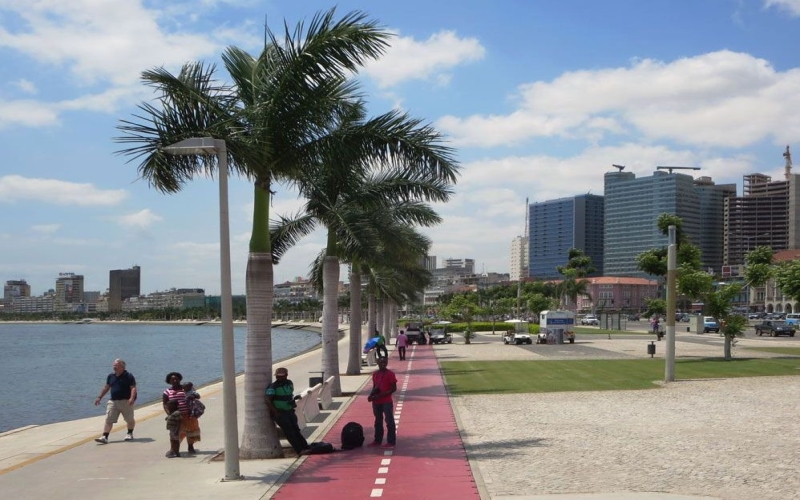
The cityscape of Luanda has transformed significantly over recent decades, especially along the waterfront. The Luanda Bay, known locally as the Marginal, is lined with sleek skyscrapers, luxury hotels, and modern office buildings, symbolizing the city’s economic progress. Luanda’s skyline reflects its dual identity: a combination of gleaming modern towers and historic colonial architecture that speaks to its past.
Despite the rapid development, Luanda remains a city of contrasts. Wealthier neighborhoods like Talatona are known for high-rise buildings, shopping malls, and upscale restaurants. Meanwhile, traditional markets, informal settlements, and the older neighborhoods showcase a more grounded side of the city where everyday Angolan life unfolds.
Luanda’s Cultural Vibrancy and Heritage
Luanda is a cultural melting pot, with influences from its African heritage, Portuguese colonial past, and a unique Angolan identity. The city is a vibrant hub for music, dance, and art, and its streets come alive with the sounds of Angolan genres like kizomba, semba, and kuduro. Angolan music and dance are integral to the city’s cultural life, with many bars, clubs, and open-air venues hosting performances that draw locals and tourists alike.
One of the most famous places to experience the music and dance culture in Luanda is the annual Luanda International Jazz Festival, which attracts world-renowned artists and celebrates jazz music’s impact on Angolan culture. Similarly, Carnival is an eagerly awaited event, where people take to the streets in colorful costumes, with parades featuring traditional dances, music, and floats that celebrate Angola’s cultural heritage.
The National Museum of Slavery in Luanda offers a solemn reflection on the country’s history, housing artifacts and exhibits that document Angola’s role in the transatlantic slave trade. Other museums, such as the National Museum of Anthropology, showcase Angolan art, ancient artifacts, and cultural relics that celebrate the diversity of Angola’s ethnic groups and history.
Cuisine and Culinary Diversity
Angolan cuisine in Luanda is a delightful blend of African, Portuguese, and Brazilian influences. The city is famous for dishes like muamba de galinha (a flavorful chicken stew made with palm oil and okra) and funge, a traditional staple made from cassava or corn flour. Seafood is also a staple, with dishes like caldeirada (a fish stew) being a popular choice, thanks to Luanda’s location along the Atlantic Ocean.
Luanda’s dining scene is varied, ranging from street food vendors and casual eateries to high-end restaurants. In places like Ilha do Cabo, an upmarket coastal area of the city, restaurants offer a fusion of Angolan and international flavors, often with stunning views of the sea. Street food is equally popular, with vendors offering snacks such as grilled corn, fried fish, and pastel (small fried pastries filled with meat or fish).
Natural Beauty and Beaches of Luanda
Luanda is blessed with stunning coastal scenery and several beautiful beaches. The Ilha do Cabo, a narrow peninsula extending into the Atlantic, is one of Luanda’s prime beach destinations. This area is known for its golden sands, clear blue waters, and beach clubs that attract city residents and tourists alike. On weekends, the beaches are bustling with families, couples, and groups of friends enjoying the warm sun and cool ocean breezes. The vibrant atmosphere of the Ilha’s bars and restaurants, combined with the scenic beauty of the ocean, make it a popular spot for leisure and recreation.
Beyond the beaches, Luanda Bay offers picturesque views and a relaxed environment where people can enjoy a scenic walk, cycle, or sit by the water, taking in the beautiful sunsets that the city is known for. The bay area is a popular spot for both locals and tourists, with numerous cafes and food stalls lining the area, offering a lively atmosphere, especially in the evenings.
Economic Growth and Challenges
Luanda’s economy is fueled primarily by Angola’s oil industry, making it one of the wealthiest cities in Africa in terms of GDP. However, this oil dependency has its drawbacks. Angola’s economy remains vulnerable to fluctuations in global oil prices, and while oil wealth has led to impressive infrastructure projects and urban development in Luanda, it has not translated into equitable economic benefits for all residents. Wealth disparity is visible in the contrast between luxury high-rises and poorer neighborhoods, where basic amenities may still be lacking.
Economic diversification is a major goal for Luanda’s policymakers, who are investing in sectors like agriculture, tourism, and telecommunications to reduce the city’s dependence on oil. Development efforts focus on improving infrastructure, health care, and education. Though progress has been made, challenges such as inflation, unemployment, and high living costs persist, affecting the quality of life for many residents.
Transportation and Infrastructure
Luanda’s infrastructure has improved significantly since the end of the civil war, with investments in roads, bridges, and public facilities. However, transportation remains a challenge for the city’s residents. Traffic congestion is a daily issue, as Luanda’s road network struggles to accommodate the growing number of vehicles. While private cars and taxis are common modes of transportation, the lack of an efficient public transit system creates challenges, especially for those who commute long distances.
To address these issues, Luanda has been investing in its transport infrastructure. The city has embarked on the development of a light rail system, and there are ongoing projects to expand and improve road networks. Additionally, recent developments have included upgrades to the Port of Luanda, one of the busiest ports in Africa, which is crucial for Angola’s economy as a major point of entry for imports and exports.
Tourism in Luanda
Tourism is a growing sector in Luanda, with the city attracting visitors interested in its culture, history, and natural beauty. Efforts have been made to promote Luanda as a tourist destination, showcasing its beaches, cultural events, and historical sites. The city has a range of accommodations, from luxury hotels to more modest options, catering to different types of travelers.
Popular tourist attractions include the Fortaleza de São Miguel, a 16th-century fort built by the Portuguese, which offers a fascinating glimpse into Angola’s colonial history along with panoramic views of Luanda Bay. The fort houses a small museum that displays artifacts and military memorabilia from Angola’s colonial and post-independence history. Other attractions include the Mausoleum of Agostinho Neto, a striking structure dedicated to Angola’s first president, which stands as a tribute to his contributions to Angola’s independence.
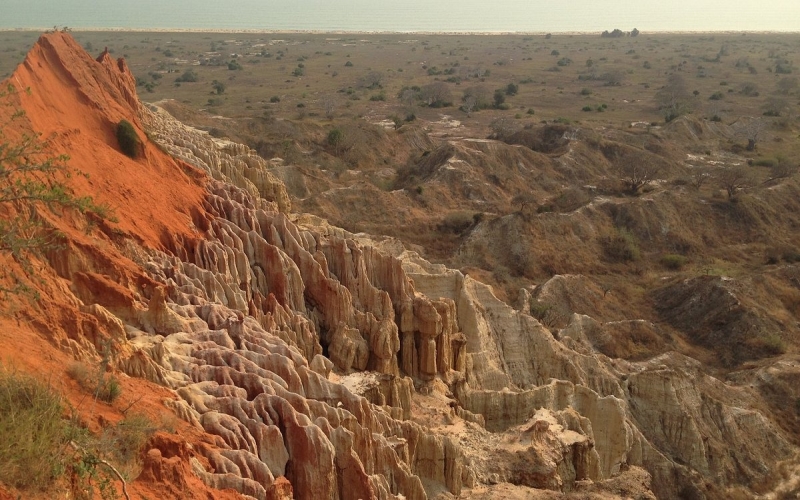
The government and local businesses are working to improve tourism infrastructure and offer packages that highlight both Luanda and the country’s natural attractions, like the waterfalls in Kalandula or the stunning landscapes of Kissama National Park, which is just a short drive from Luanda. These efforts are helping to position Luanda as a gateway for exploring the rich natural beauty of Angola.
Future Prospects
Luanda’s future is promising, with ambitious plans for sustainable development and modernization. The city’s government, in collaboration with international investors and organizations, is focused on diversifying the economy, improving public services, and enhancing living conditions. Projects are underway to expand housing, increase access to clean water, and provide affordable healthcare and education for all residents.
The cultural sector in Luanda is also gaining attention, with efforts to promote local artists, musicians, and artisans who showcase Angola’s vibrant heritage. The growing number of art galleries, theaters, and cultural centers indicates that Luanda is not only evolving economically but also embracing its role as a cultural capital in Africa.
Conclusion: The Essence of Luanda
Luanda is a city that embodies resilience, diversity, and vibrancy. From its colonial history to its modern-day ambitions, it offers a glimpse into the complexity and beauty of Angola. Luanda’s people, culture, and traditions make it a unique and dynamic place, where past and present merge into a vision for a brighter future. As the city continues to grow and modernize, Luanda stands as a testament to Angola’s journey and an inspiring destination for those who want to experience the heart of Africa. Whether it’s walking along the stunning coastline, exploring historical landmarks, or immersing in the lively cultural scene, Luanda provides an unforgettable experience that reveals the spirit of its people and the promise of its future.
